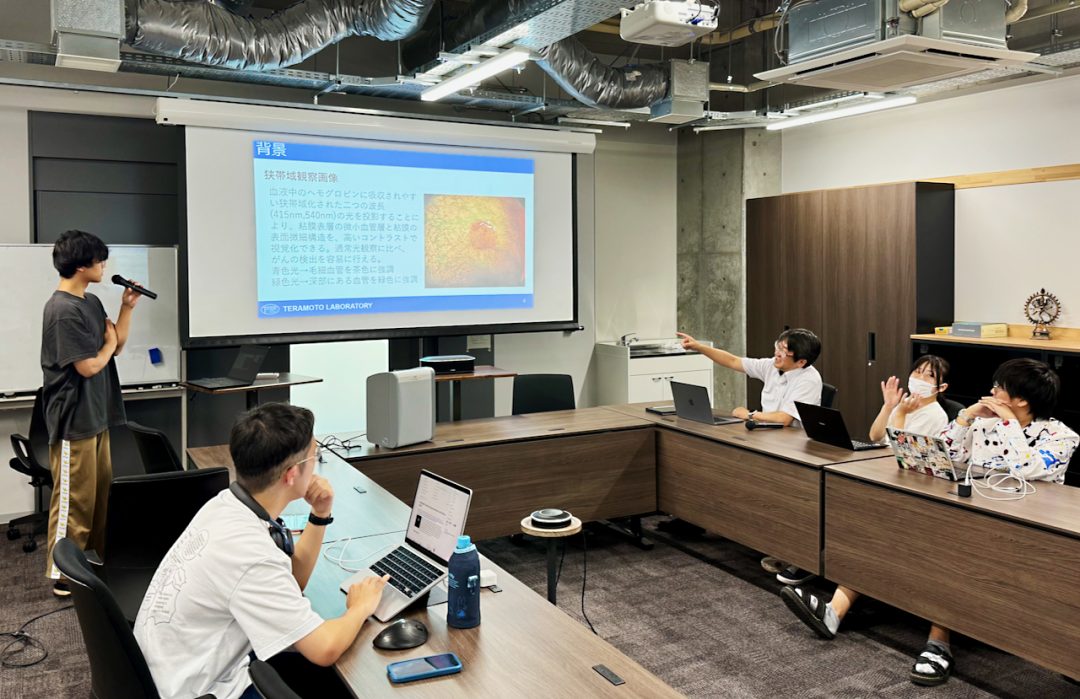

We spoke with Professor Atsushi Teramoto, who teaches Introduction to Data Science, Programming Exercises III, and Experiments of Information Engineering I at the undergraduate level, and Advanced Image Information Systems in the graduate program, about his research and his impressions of the students.
Professor Atsushi Teramoto introducing medical data
Could you introduce yourself?
I am a graduate of Meijo University, where I studied in the Department of Electrical and Electronic Engineering. After completing my graduate studies, I spent about ten years in industry working in research and development. I then moved to a university specializing in healthcare before joining the Faculty of Information Engineering at Meijo University in 2023. I have always enjoyed building things and working with computers. Since elementary school, I have been interested in electronics and programming, spending my time creating electronic devices and writing software.
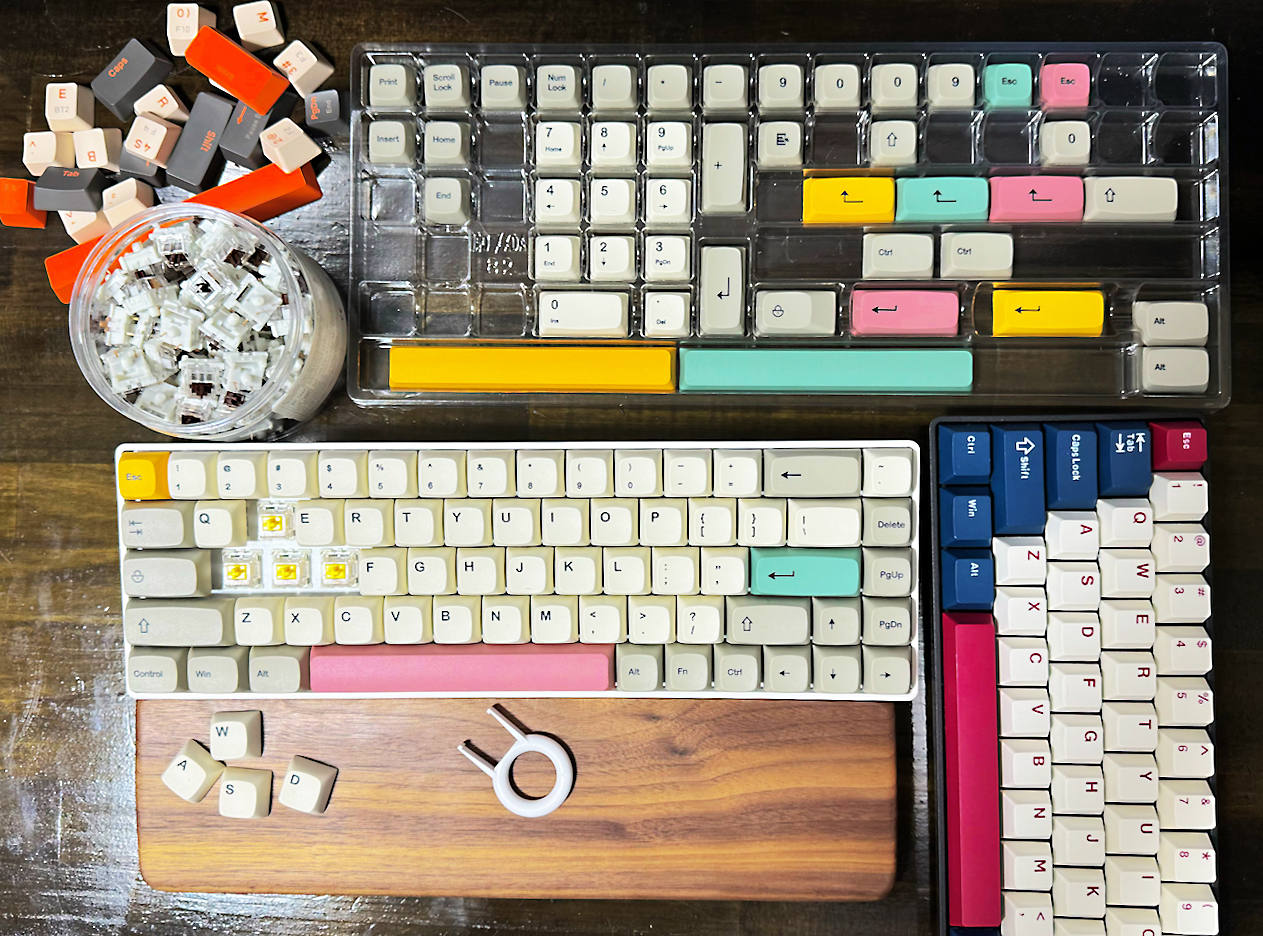
My hobbies haven’t changed much over the years, but lately I’ve become particularly interested in building custom mechanical keyboards. I’m currently experimenting with different combinations of key switches and keycaps to find the setup that suits me best.
Could you tell us about your field of expertise and what makes it interesting?
My field of expertise is medical AI. I develop AI methods that analyze medical data—such as X-ray images and CT scans collected in hospitals—to detect and characterize suspicious lesions. By combining a variety of image processing techniques with AI technologies, we analyze two-dimensional and three-dimensional images of the human body to extract clinically useful information.
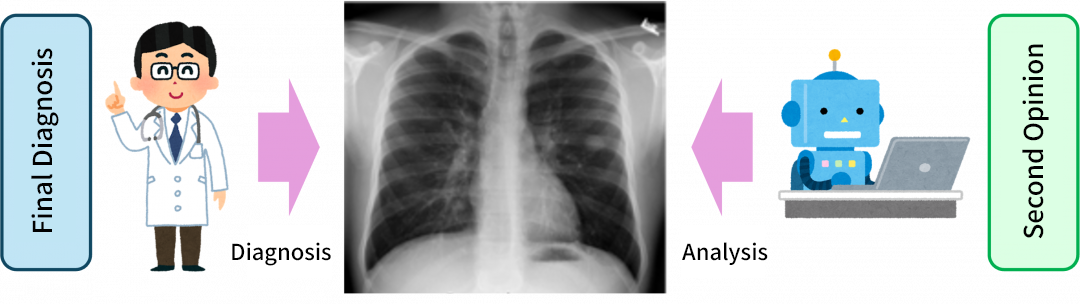
One important point is that AI does not make the final diagnosis. Instead, physicians use the AI’s analysis as a reference when making their clinical decisions. Because computers assist doctors in the diagnostic process, such technologies are often referred to as computer-aided diagnosis (CAD).
The greatest appeal of this research is that it allows us to use our expertise in information engineering to help save lives. Working alongside physicians and other healthcare professionals, there is no greater satisfaction than seeing AI help diagnose conditions that were previously difficult to identify.
Another exciting aspect is the opportunity to work with cutting-edge AI technologies. Our laboratory is equipped with a large number of high-performance computing resources dedicated to AI research, allowing us to make full use of the latest techniques. Together with our students, we strive to develop methods that can provide valuable information to support the diagnosis and treatment of patients.
Could you tell us about your current research?
Recently, much of my research has focused on generative AI. One example is the automatic generation of diagnostic reports from medical images. Many people undergo routine chest X-ray examinations, and radiologists must carefully review each image and write a diagnostic report. This is a time-consuming task for physicians who are already under significant workload. To help address this challenge, we are developing a system that analyzes chest X-ray images using AI and then employs large language models, such as GPT, to automatically generate diagnostic reports.
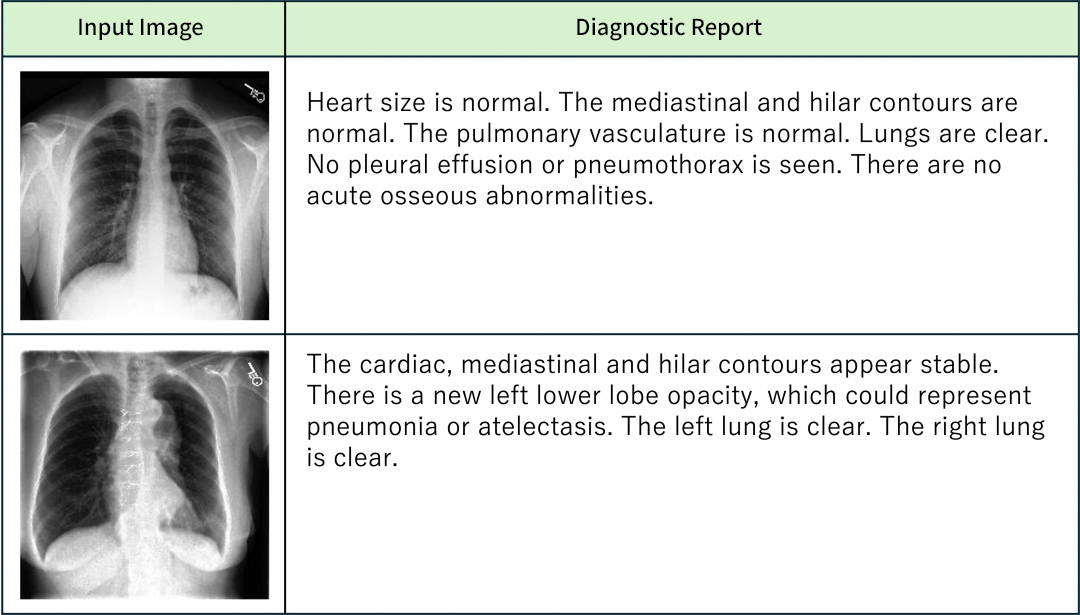
Conversely, we are also conducting research on using image generation AI to create medical images from diagnostic reports written by physicians. This approach enables us to generate training data for AI without relying on patient data, helping to protect patient privacy.
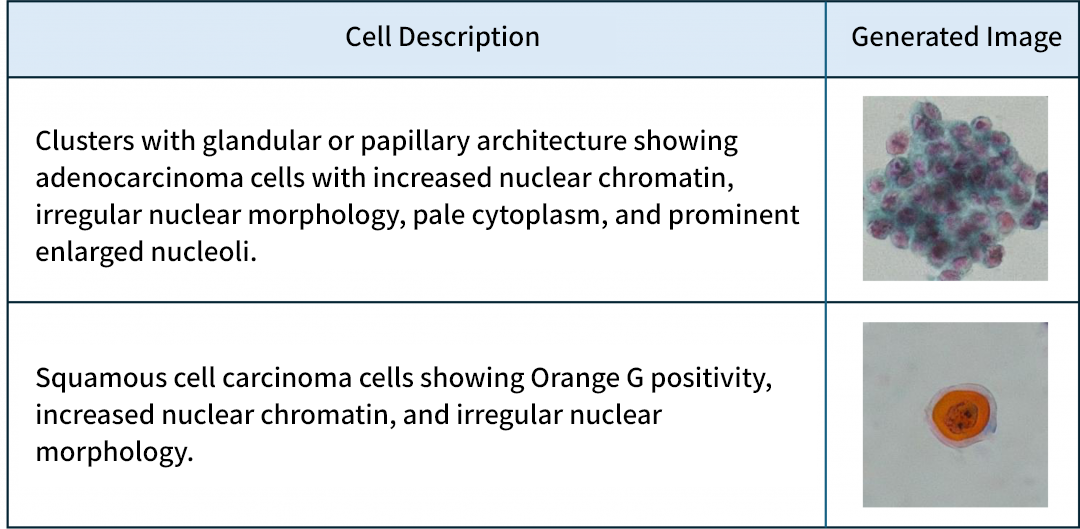
How will the knowledge and skills students acquire be useful after graduation?
At university, students gain a broad foundation in the fundamentals of information engineering. Although technologies in this field evolve rapidly, the core principles learned at university provide a solid foundation for future careers. These fundamental skills remain relevant regardless of changes in technology and will be valuable no matter which field students choose to pursue.
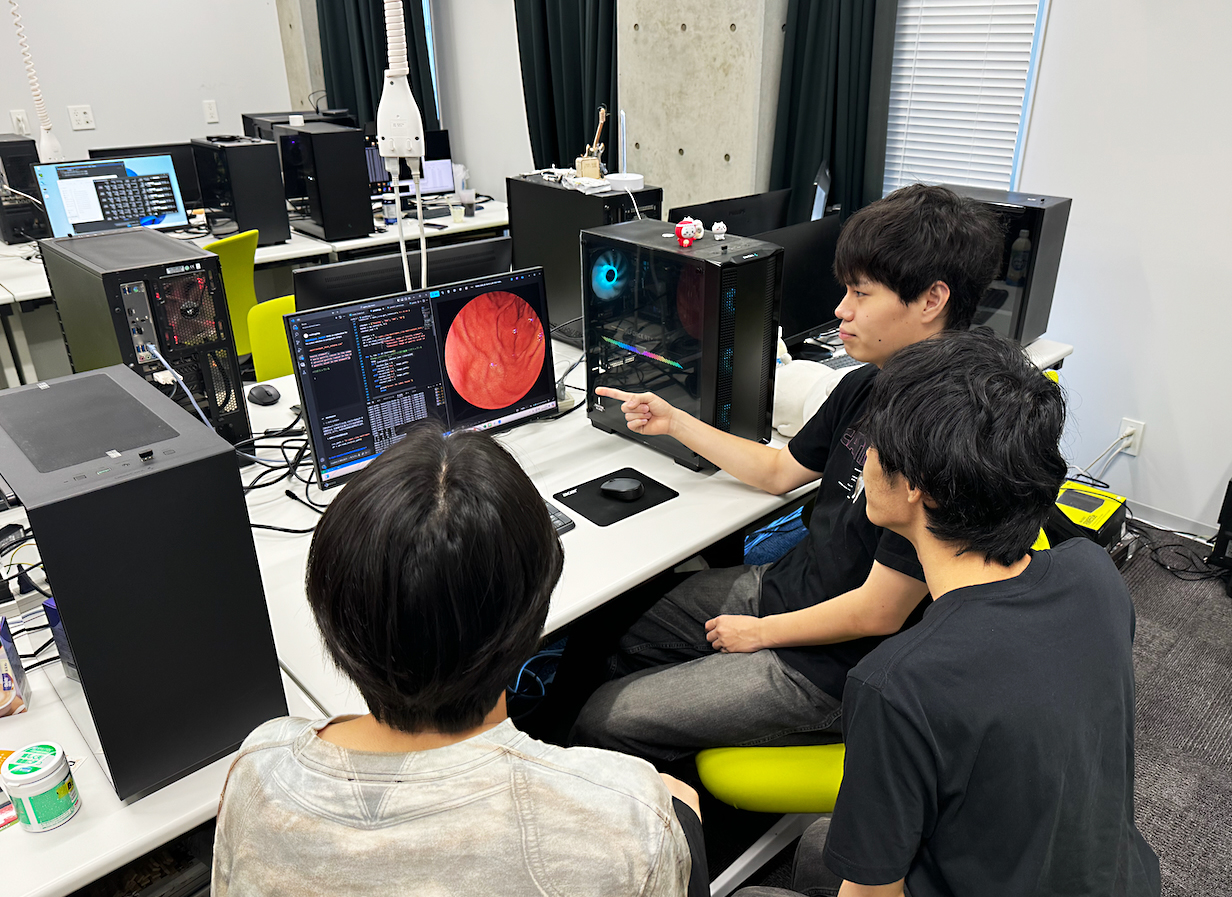
In the later years of the program, students develop problem-solving skills not only through lectures but also through group-based learning. I believe these experiences will prove invaluable when they join a project team in the workplace.
Today, generative AI is capable of writing a considerable amount of code. However, by combining it with the fundamental knowledge and practical skills acquired at university, graduates will be able to undertake even more advanced research and development.
What are your impressions of the students in Meijo University’s Faculty of Information Engineering?
My impression is that many of our students approach problems thoughtfully and analytically. Rather than jumping straight into a task when given instructions, they tend to take the time to investigate and understand the problem before getting to work. Although I have only been at Meijo University for a relatively short time, I hope to help our students further develop their strengths and reach their full potential.