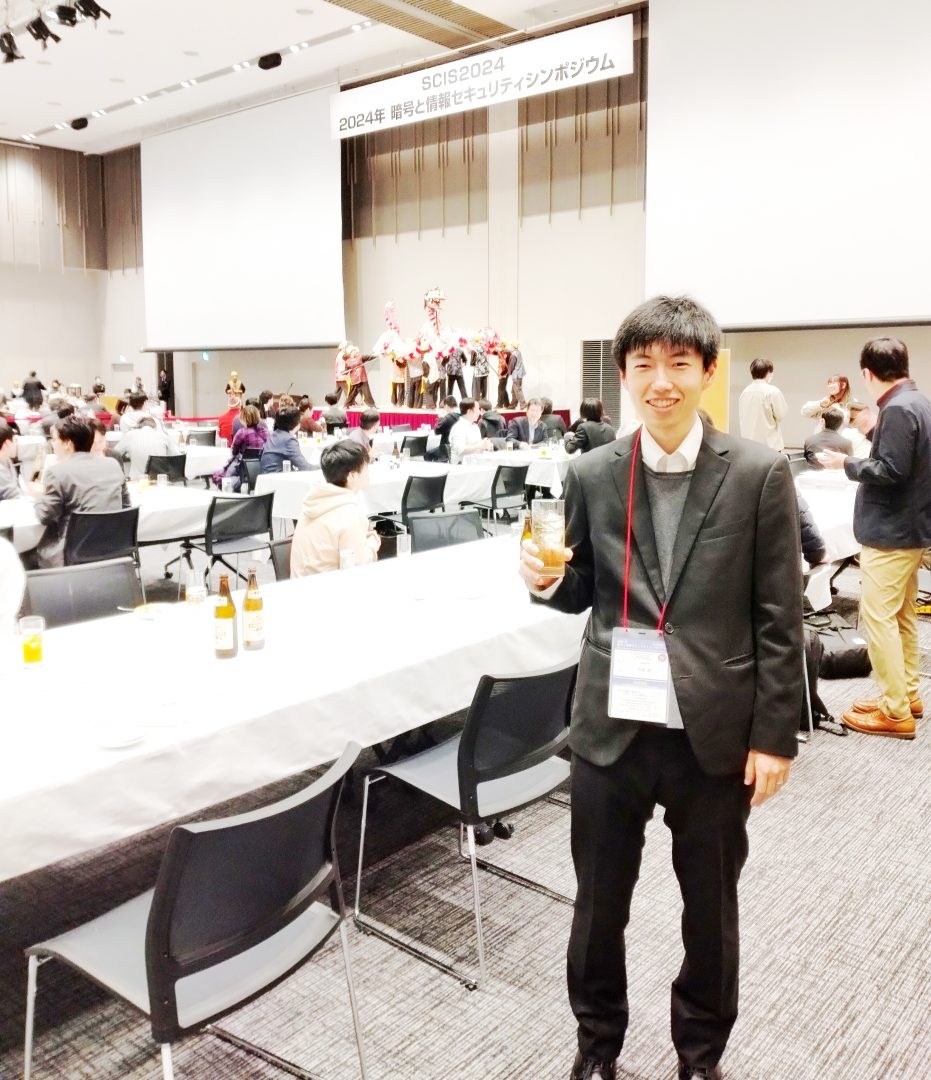

We spoke with Assistant Professor Shu Takemoto, who teaches Experiments of Information Engineering II, Hardware Description Languages, Programming Exercises IV, and Introduction to Project-Based Learning (PBL), about his research and his impressions of the students.
Assistant Professor Shu Takemoto conducting an evaluation experiment with a robotic arm
Could you introduce yourself?
I’m from Chita City, Aichi Prefecture, a town that I think offers just the right balance of everything. Perhaps because it’s located on the Chita Peninsula, I’m a big fan of the region’s famous local sweets. As both an undergraduate and graduate school alumnus of Meijo University, I hope to give back to the university by drawing on my own experiences here.
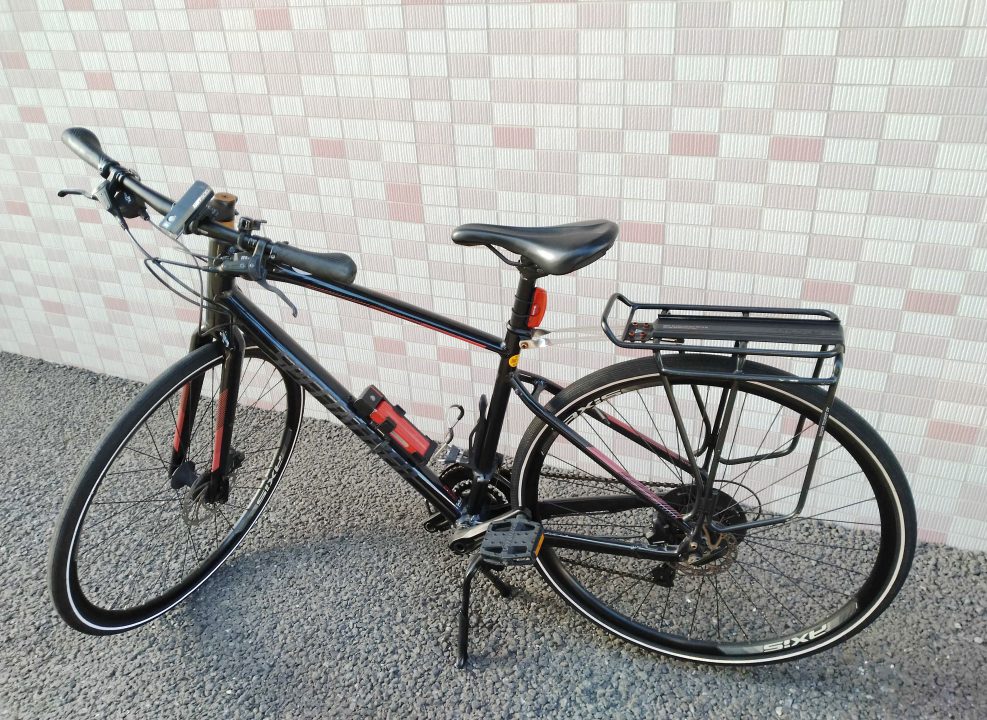
Since my graduate school days, I’ve been commuting by my favorite cross bike. Rainy weather and insects are my biggest challenges, but cycling is an important part of my daily routine—it helps me relieve stress and organize my thoughts. One of my goals is to cycle all the way around the Chita Peninsula in the near future.
Please tell us about your field of expertise and what makes it interesting.
My field of expertise is information security. In particular, I conduct research on cryptographic and authentication technologies for hardware devices. Cryptographic technology protects information by encrypting data during communication, while authentication technology verifies the identity of communicating parties and the integrity of transmitted information. Both are essential technologies for building secure and reliable systems.
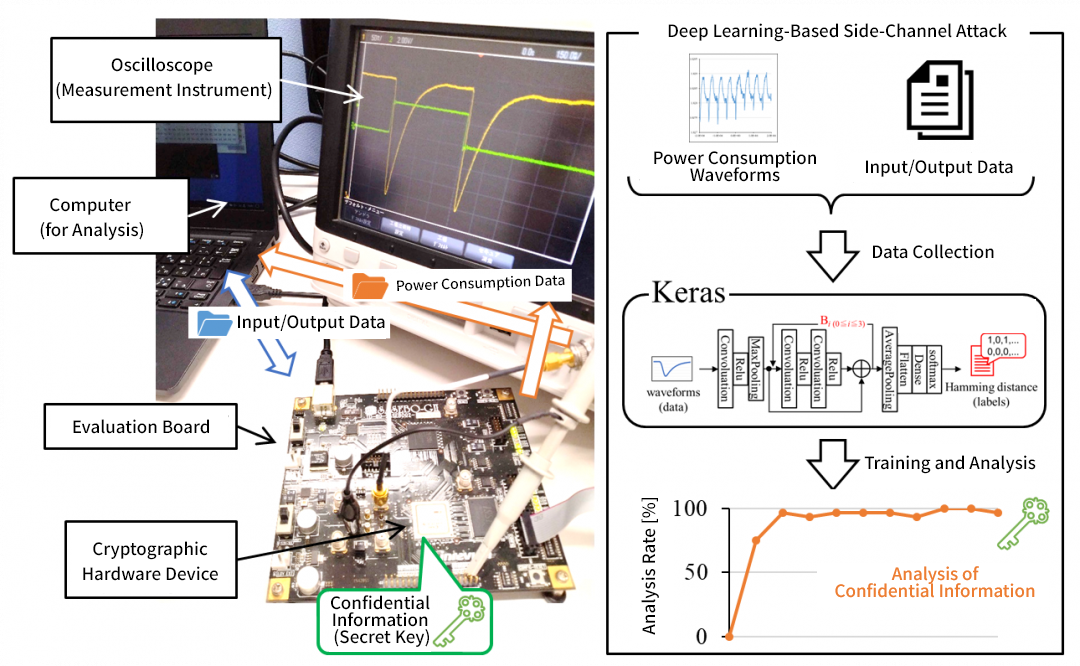
Cyberattacks targeting cryptographic and authentication technologies have already been reported. What I find fascinating is understanding the principles behind these attacks and continually exploring how to implement countermeasures that are both efficient and robust.
Could you tell us about your current research?
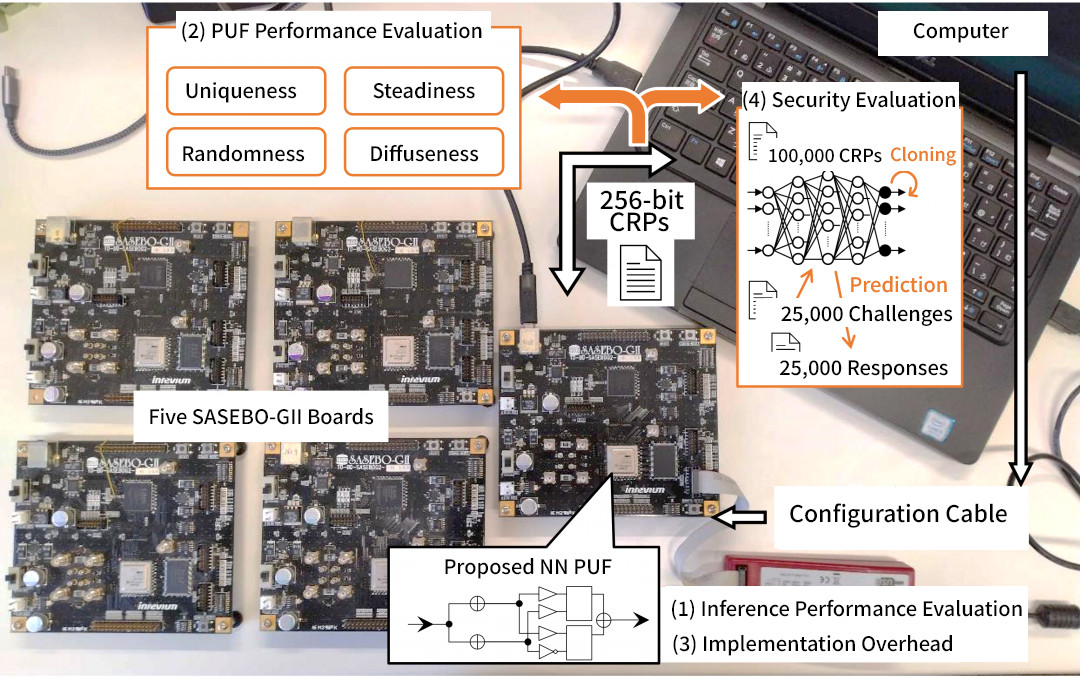
My current research focuses on a threat known as deep learning-based side-channel attacks, in which the remarkable advances in deep learning are leveraged to attack cryptographic systems. I am proposing countermeasures that maintain a high level of security while minimizing implementation overhead, making them suitable even for resource-constrained hardware such as IoT devices with very limited computational capabilities.
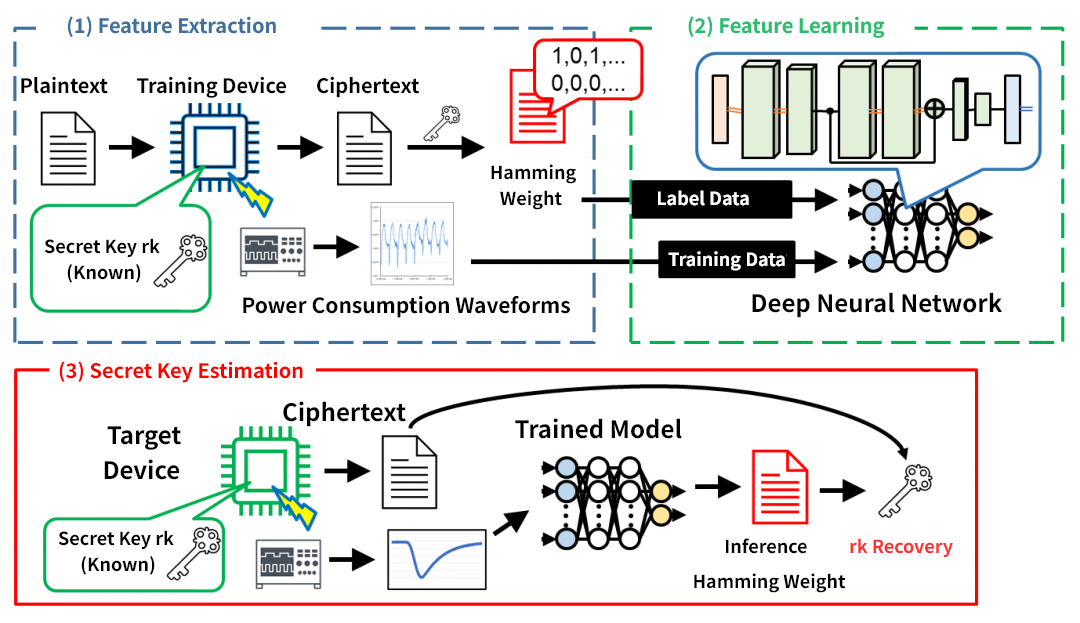
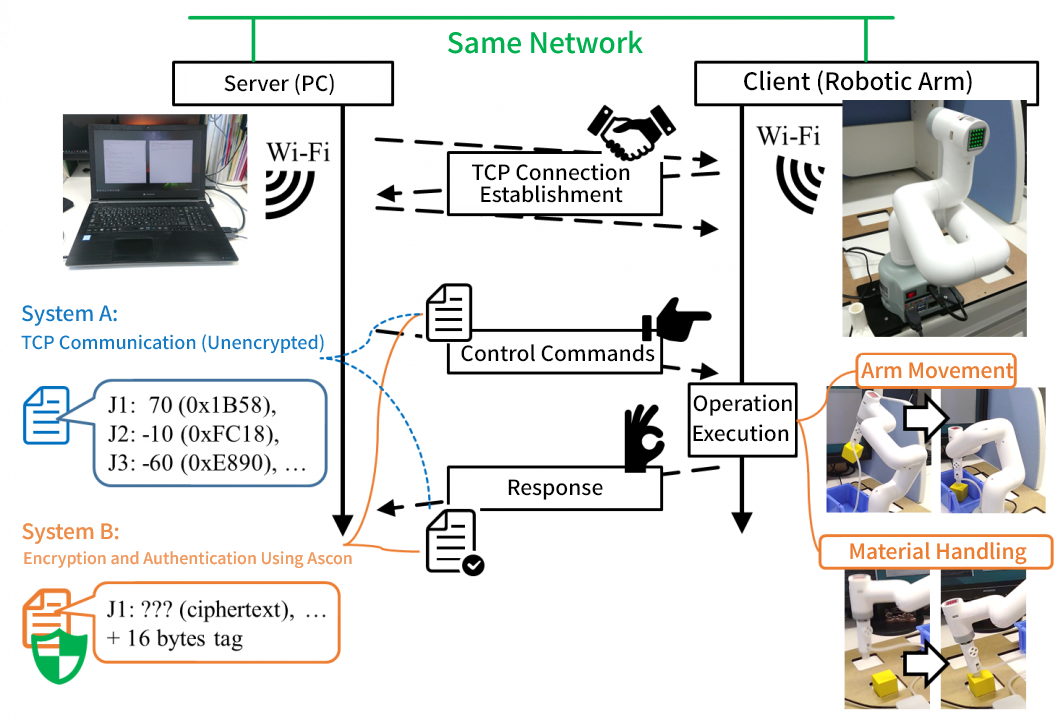
We are also working on implementing the cryptographic and authentication technologies we have developed in robotic arms to build industrial systems that can be deployed and operated securely.
How will the knowledge and skills students acquire be useful after graduation?
Through our experimental work, students learn how to use hardware devices, measurement instruments, and the programming skills needed to control them.
Even if the specific hardware or programming languages they use in the laboratory are not directly applicable after graduation, the experience of building an experimental environment by consulting documentation, studying other people’s source code, and learning through trial and error will be valuable not only in information engineering but across a wide range of fields.
What are your impressions of the students in Meijo University’s Faculty of Information Engineering?
I felt this way even when I was a student here myself: our students are remarkably diverse. Some enter the university having had little or no experience with computers, let alone single-board computers, while others are already actively participating in hackathons and other technical competitions.
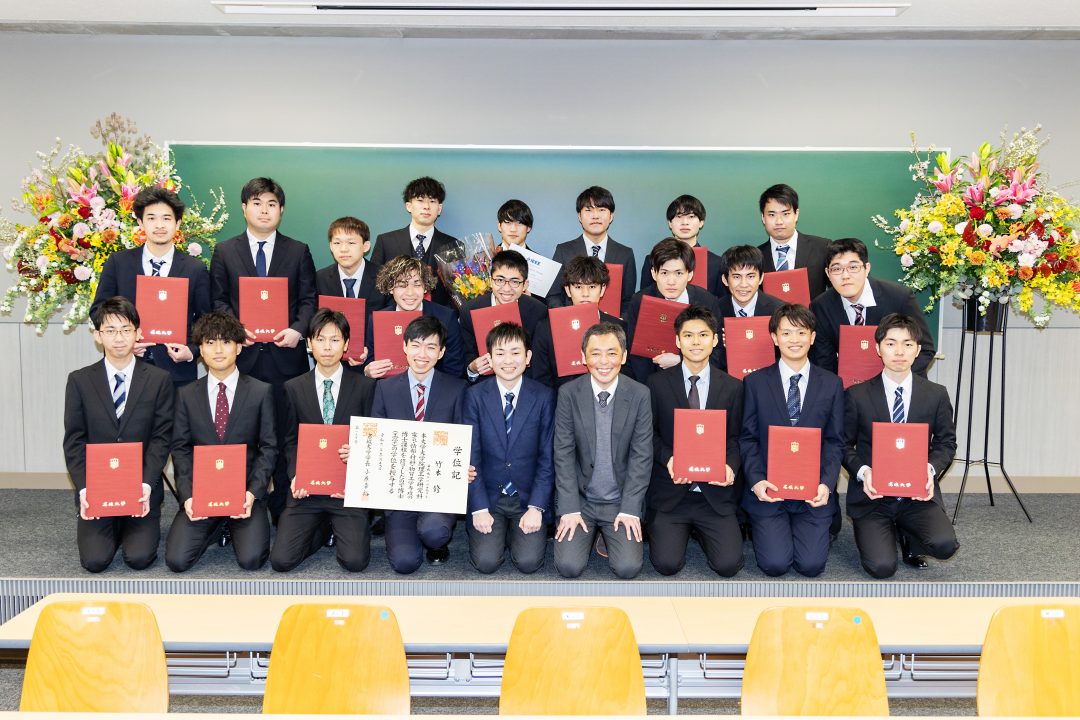
You are sure to find friends at university who share your interests. Those friendships can last a lifetime, so I encourage you to value the relationships you build and make the most of your university experience.