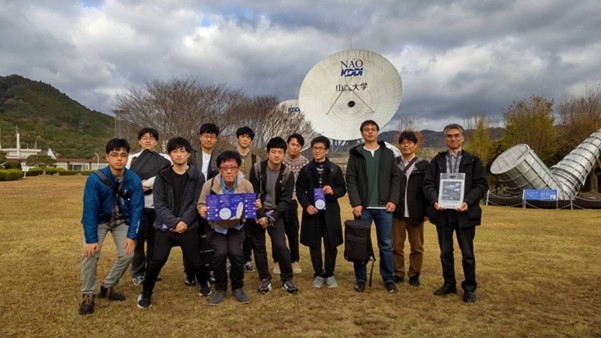
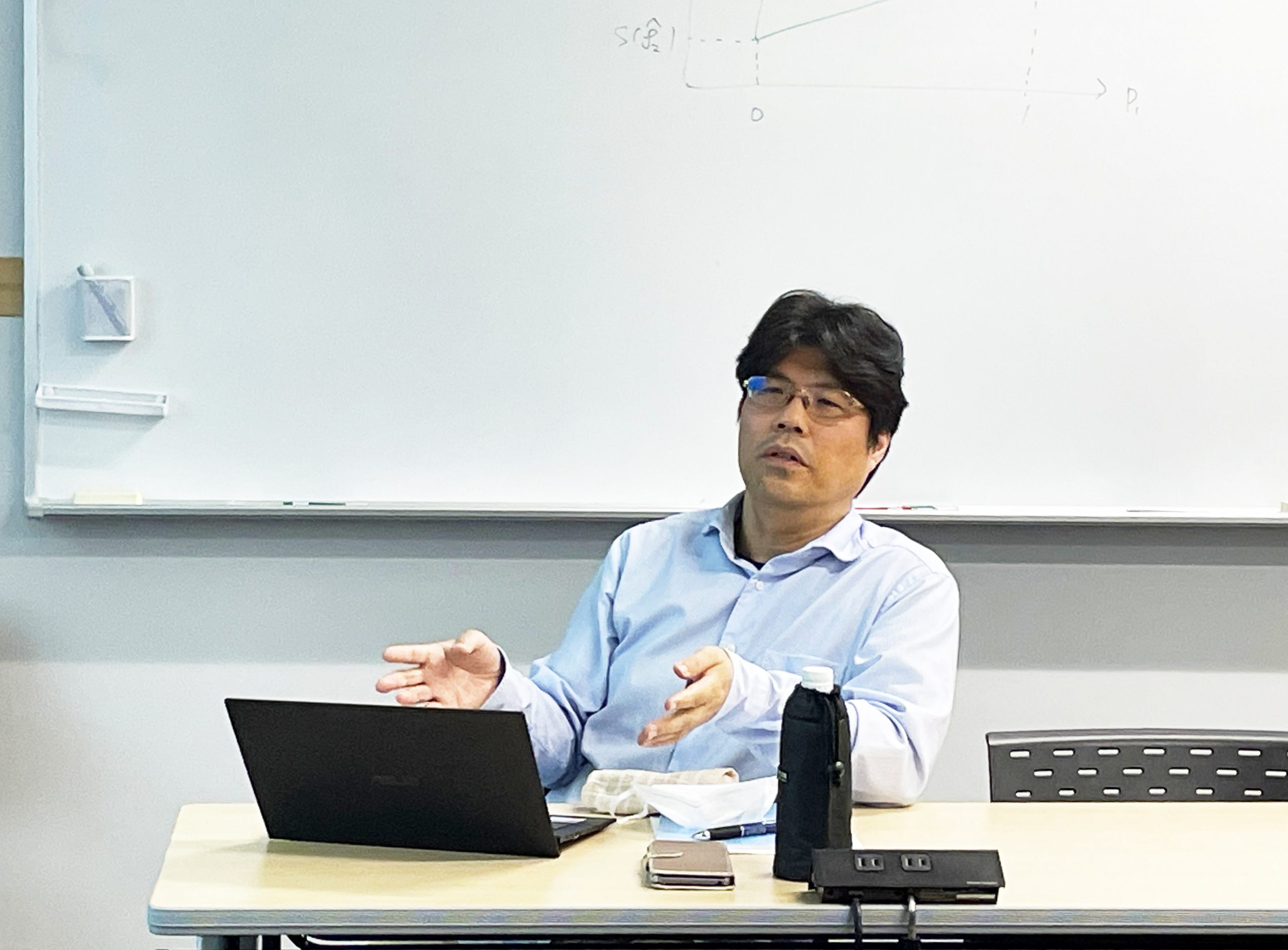
We spoke with Associate Professor Shogo Usami, who teaches Coding Theory and Information Theory at the undergraduate level, and Advanced Information Theory in the graduate program, about his research and his impressions of the students.
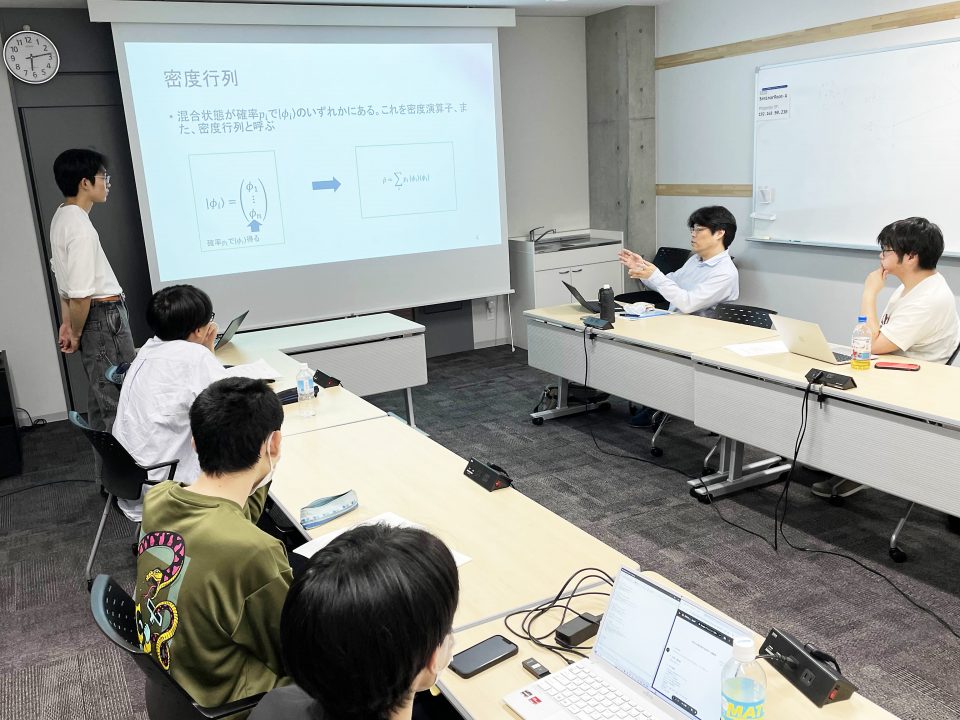
Associate Professor Shogo Usami with students in his seminar
Could you introduce yourself?
Like my research field, I tend to work behind the scenes. I look across the entire curriculum, identify areas that need strengthening, and help students develop course plans so they can stay on track toward graduation. As part of these efforts, I teach Execises of Information Engineering, a foundational course for first-year students.
The course covers a wide range of topics that help students make the most of university life, from planning their future careers to learning how to write academic reports. I hope to be someone students can turn to for help whenever they face challenges, whether related to their studies or campus life in general, and to support them in enjoying a smooth, fulfilling, and rewarding university experience.
Could you tell us about your field of expertise and what makes it interesting?
My specialty is information theory, particularly error-correcting codes. Although most people are not aware of them in everyday life, error-correcting technologies are used in virtually all forms of digital communication and data storage.
During digital transmission, it is common for bits to be corrupted—for example, a 0 may become a 1, or a 1 may become a 0. Error-correcting codes are designed to detect and correct these errors, making reliable communication possible. They are an unsung but essential technology that supports the high-speed, high-capacity communication systems we rely on every day.
Could you tell us about your current research?
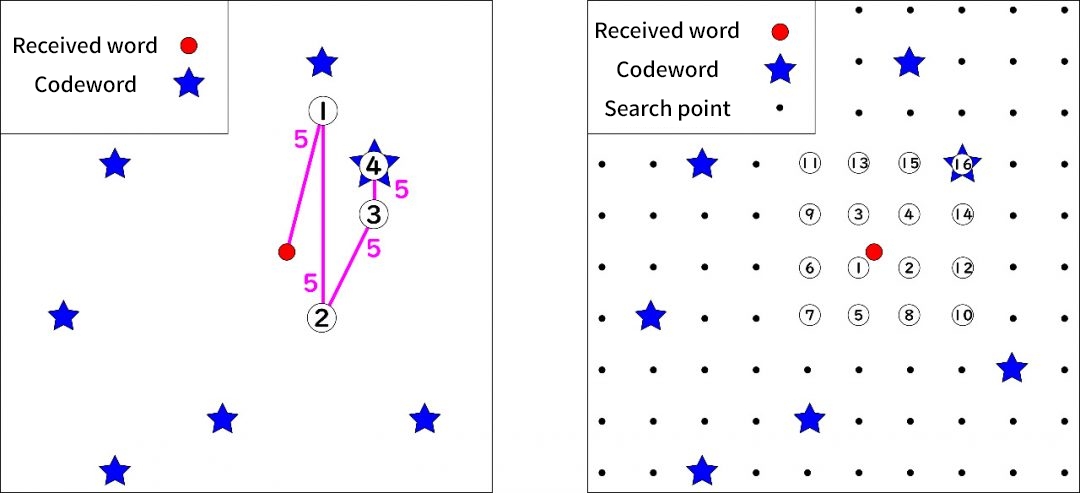
I am currently focusing on GRAND (Guessing Random Additive Noise Decoding). Traditionally, the dominant approach to error-correction decoding has been belief propagation (BP). In BP, the receiver calculates the likelihood of each received bit and repeatedly exchanges information with the constraints defined by the coding rules to estimate the original transmitted message.
GRAND takes a different approach. Instead of estimating the transmitted message directly, it guesses likely patterns of noise—starting with the most probable—and tests whether removing each noise pattern from the received signal produces a valid codeword. The first valid candidate is taken as the transmitted message. This decoding method is considered a promising technology for 6G communications, as it is well suited to achieving the combination of short block lengths, high code rates, and high reliability required by next-generation wireless networks.
How will the knowledge and skills students acquire be useful after graduation?
Just as proficiency with spreadsheets and presentation software has evolved from being a competitive advantage to an expected basic skill, I believe that knowledge of AI and data science will soon become equally essential.
What will distinguish people in the future is not simply whether they can use these technologies, but how they apply them and what kinds of problems they choose to solve with them. The ability to think creatively about the use of technology will have a major impact on a person’s value in the workplace. A broad education in information engineering provides a strong foundation for developing exactly that kind of perspective and creativity.
What are your impressions of the students in the Faculty of Information Engineering at Meijo University?
Many of our students strike me as sincere and diligent. By the time they enter university, they have spent years building a solid academic foundation. The same is true in sports: athletes with strong basic physical fitness have great potential, but reaching the highest level also requires mastering the knowledge and techniques specific to their sport. The same applies to information engineering.
I hope our students will continue to grow and excel in this field. Make the most of your time at university by learning actively and enjoying a fulfilling campus life together with your classmates!
What are the distinctive features of your laboratory?
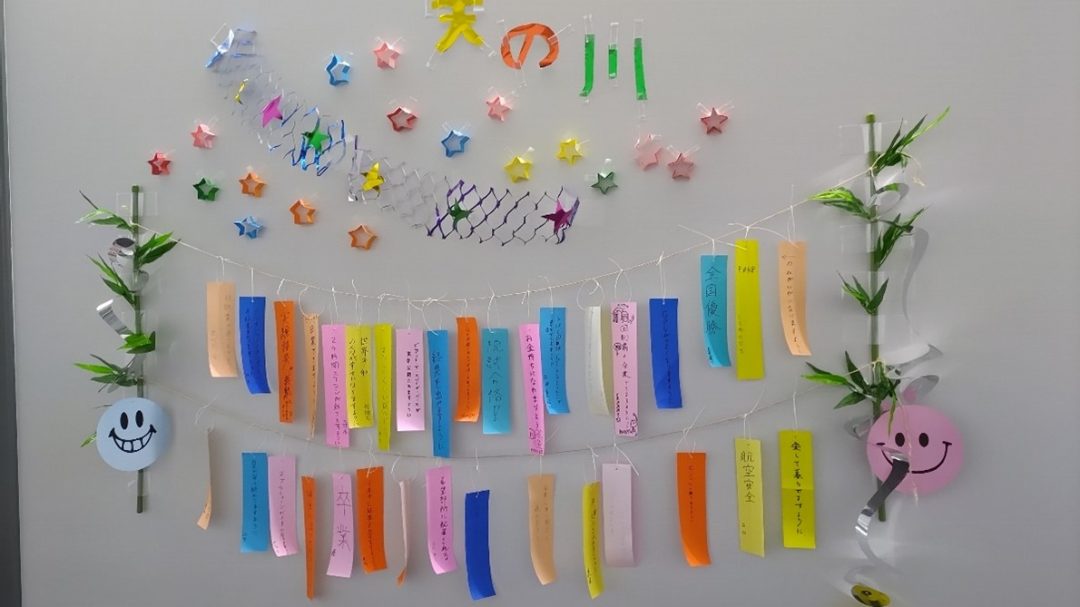
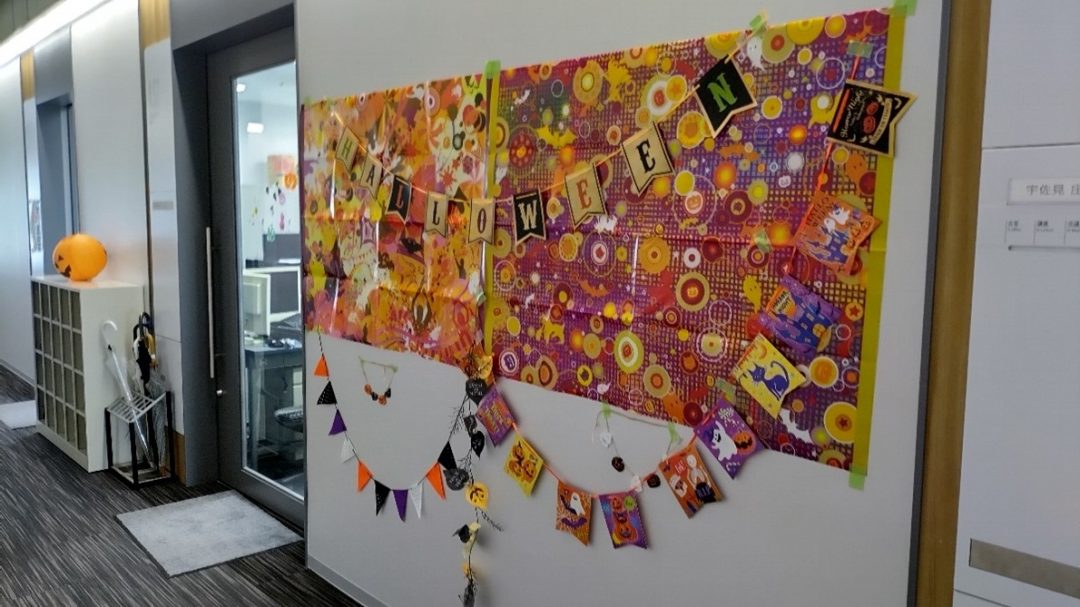
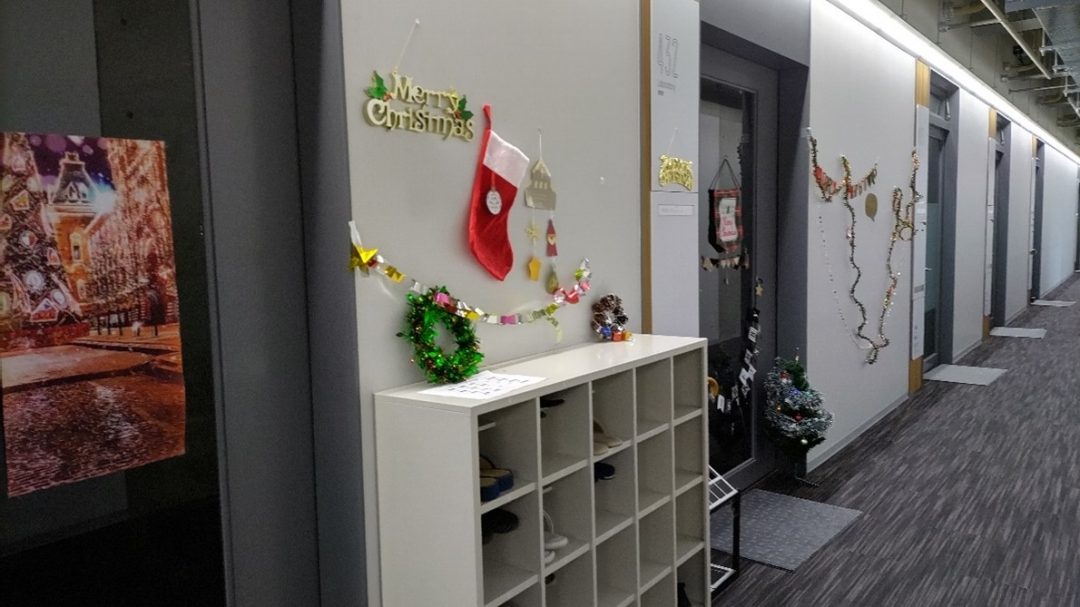
One thing we value in our laboratory is creating an environment where students can enjoy the changing seasons. Over the past few years, we have decorated the area around the lab for occasions such as Tanabata, Halloween, and Christmas. We also hold casual tea parties in the lab to celebrate these seasonal events together.