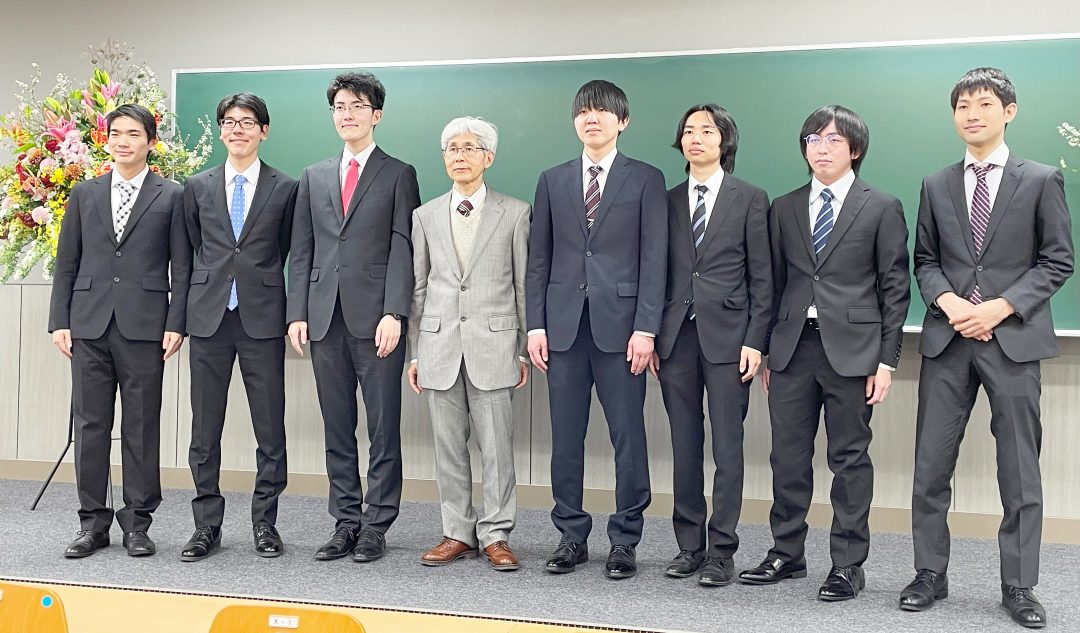

We spoke with Professor Toshimitsu Tanaka, who teaches Computer Graphics and Basic Multimedia in the undergraduate program, as well as Advanced Computer Graphics in the graduate program, about his research and his impressions of the students.
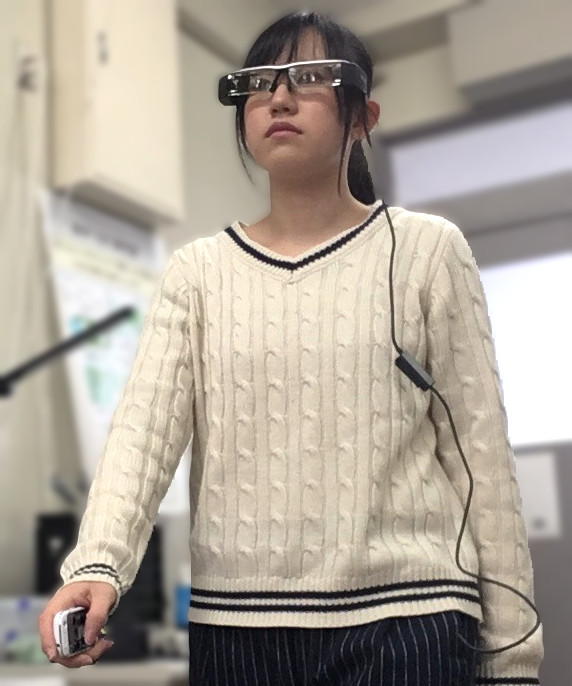
Professor Toshimitsu Tanaka wearing smart glasses.
Could you start by introducing yourself?
I was born in 1959. After completing my master’s degree, I spent ten years as a researcher at NTT Laboratories before moving into academia, where I have been teaching ever since. Since childhood, I have had a strong interest in anime and tokusatsu (Japanese live-action special effects productions), and I watched a great deal of both.
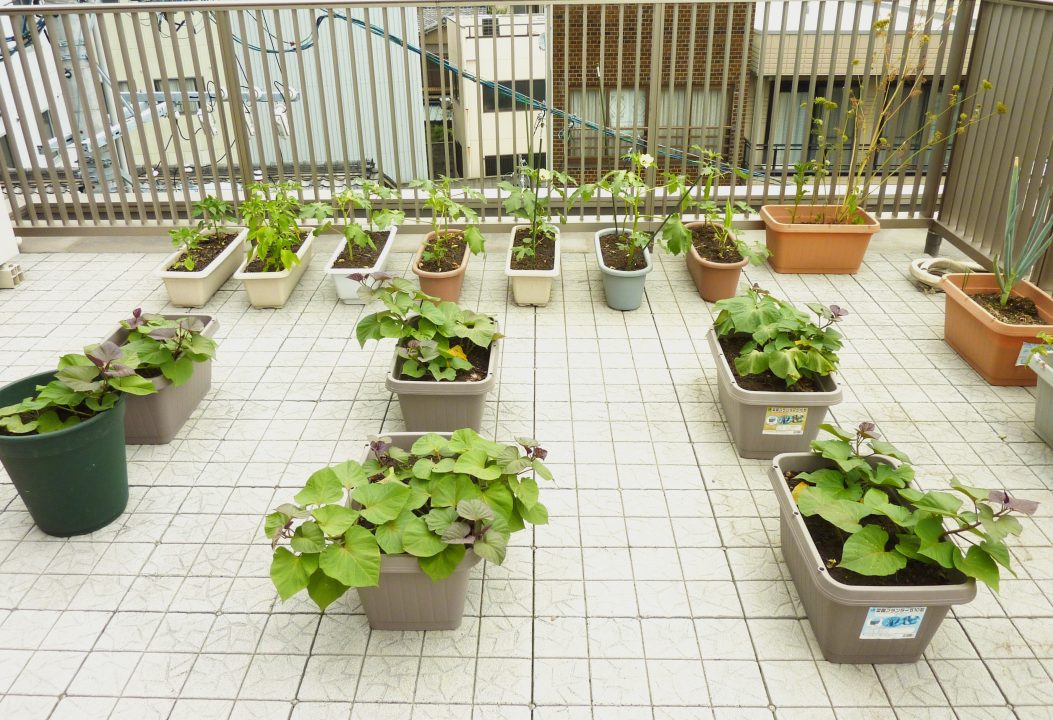
Although I don’t watch as much as I used to, I still try to keep up with one or two new anime series each season. For the past ten years, one of my main hobbies has been home gardening. I grow vegetables on my rooftop, and I have even planted Chinese yam vines to create a green wall. Since I don’t have many opportunities to exercise, I also commute by bicycle from my home to the university—about 10 kilometers each way—whenever the weather is nice.
Could you tell us about your field of expertise and what makes it interesting?
One of my fields is computer graphics. I am currently researching methods for simulating rain on a windshield. This involves not only representing the way raindrops flow downward according to physical laws, but also capturing the larger movements caused by windshield wipers. At the same time, the simulation needs to run in real time. What makes this research especially interesting is finding the right balance between physically accurate representation and visual techniques that prioritize how convincing the image looks.
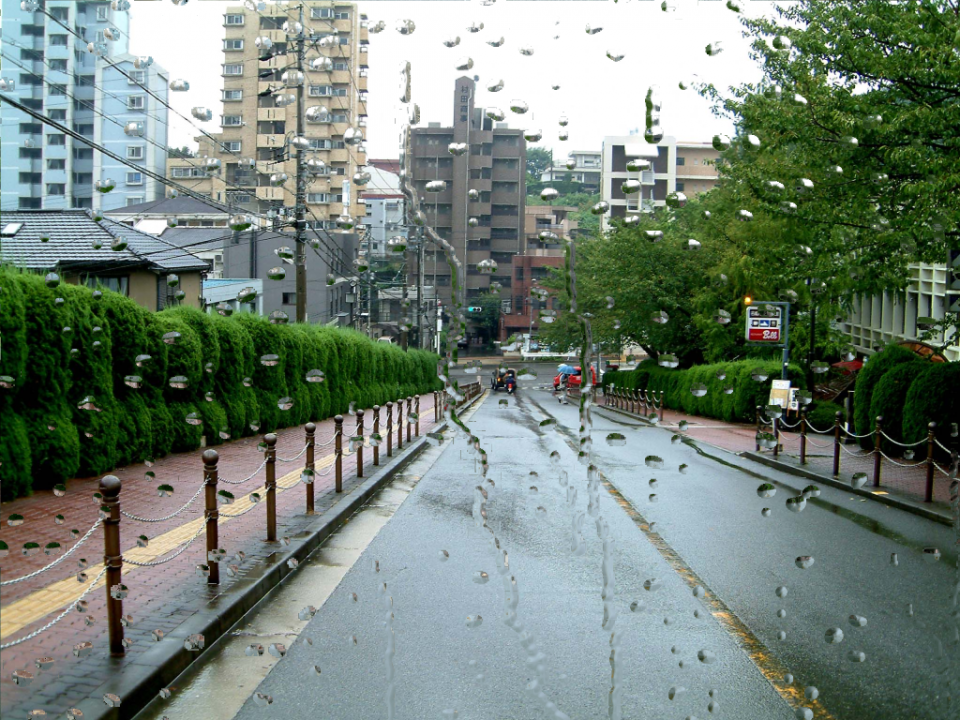
A computer graphics simulation that visualizes raindrops striking a window and flowing down its surface.
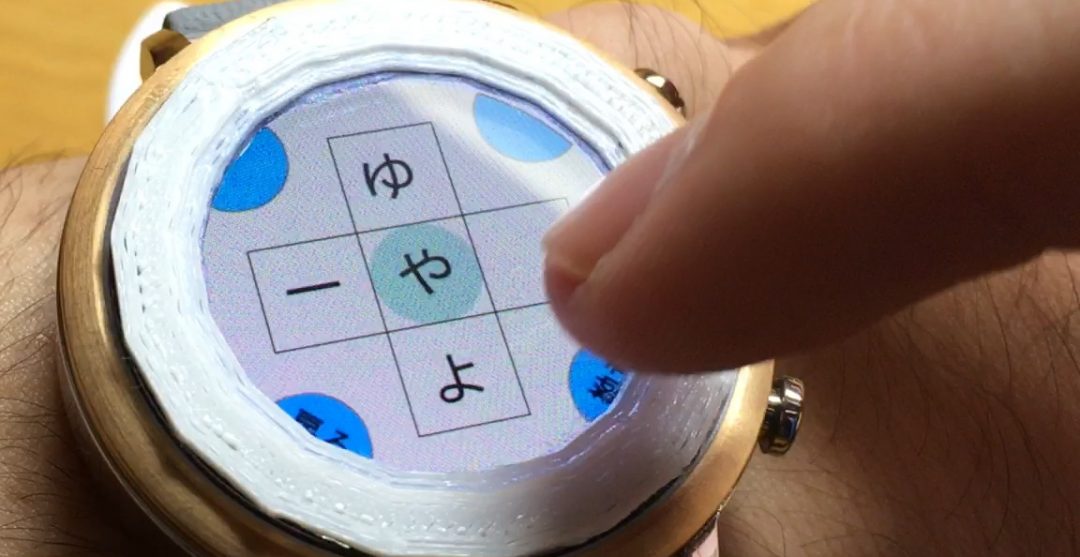
Another of my research areas is Human Interface, where I study text input methods for smartwatch displays. What makes this research interesting is exploring how to make the most efficient use of such a small screen while keeping text entry fast and easy for users.
Could you tell us about some of your recent research projects?
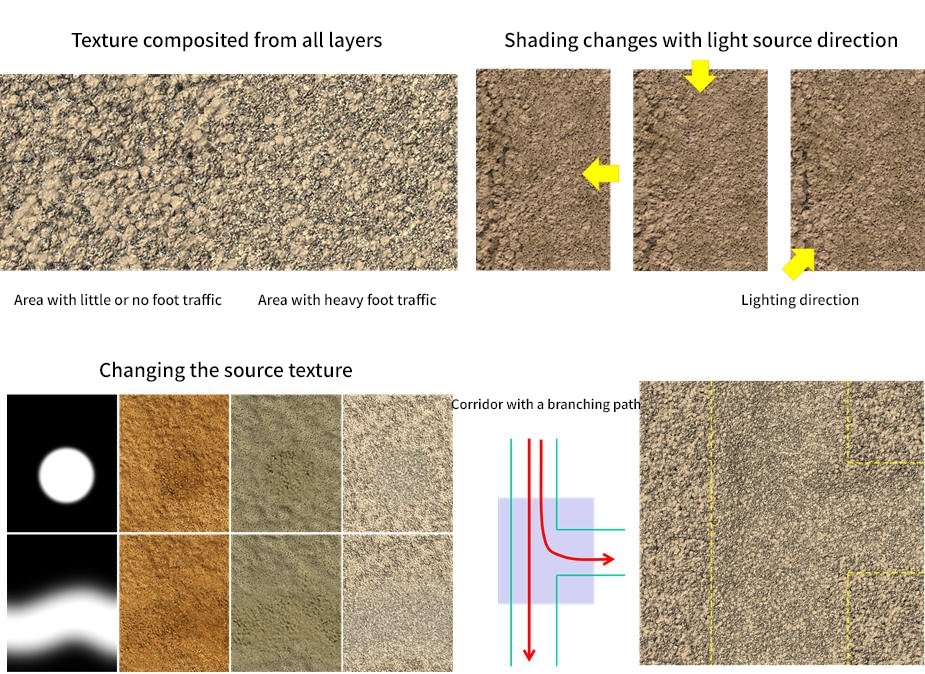
In computer graphics, in addition to the windshield rain simulation I mentioned earlier, I am also researching methods for representing dirt, scratches, and peeling paint that develop on floors as people walk over them. This project aims to generate floor textures that visually reflect patterns of human movement. By varying the amount of dirt, the density of scratches, and the degree of paint wear according to how frequently people pass through an area, we can create realistic textures that reveal the flow of pedestrian traffic.
In the field of human-computer interaction, in addition to text input for smartwatches, we are developing a text entry method and a dedicated keyboard that allow users to type without looking at their fingertips. These are designed for situations such as using smart glasses or typing while lying down.
How do the knowledge and skills students acquire in your laboratory benefit them after graduation?
Much of what students learn at university is introductory or foundational, so it may not be the case that what they study is used directly in their future jobs. However, the process of learning equips them with something even more valuable: methods for acquiring new knowledge and approaches to solving problems. These are the skills they will rely on when tackling real-world challenges.
Programming is a good example. Once you understand one programming language, switching to another language used in the workplace is usually not difficult. By drawing analogies, making informed assumptions, and doing a bit of research, you can quickly develop a working understanding of the new language.
What are your impressions of the students in the Faculty of Information Engineering at Meijo University?
Most of the students I work with on their graduation research are sincere, diligent, and easy to work with. About half of them are also a lot of fun to be around. At the same time, I sometimes feel they could be more willing to express their own ideas from the outset. Some students also tend to give up too quickly or avoid pursuing ideas that may seem inefficient, which I think is a missed opportunity.
Among the students I teach in class, I occasionally find that they worry too much about minor details or are hesitant to take initiative. There are also a small number of students who, unfortunately, do not put enough effort into their work.