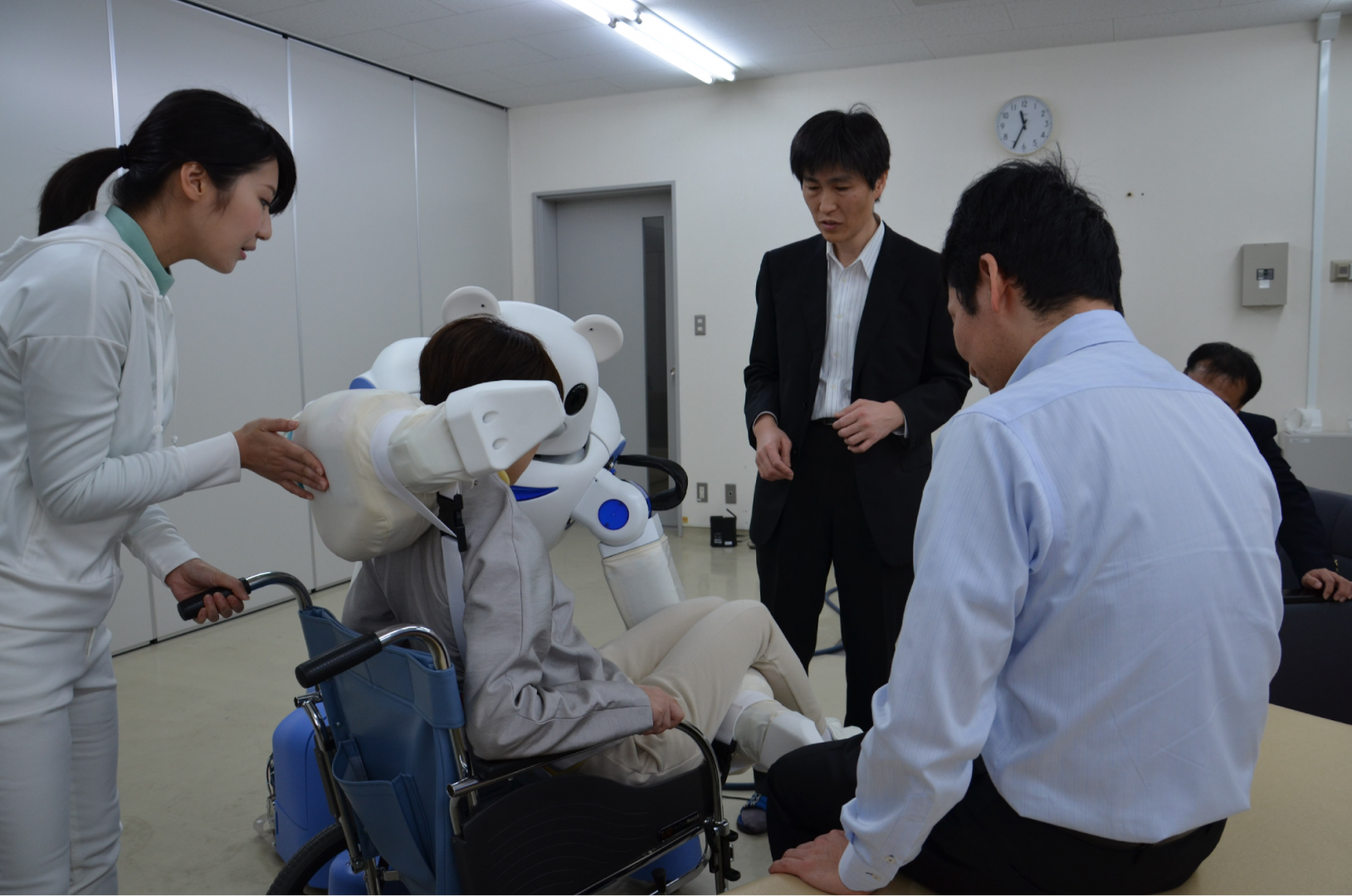
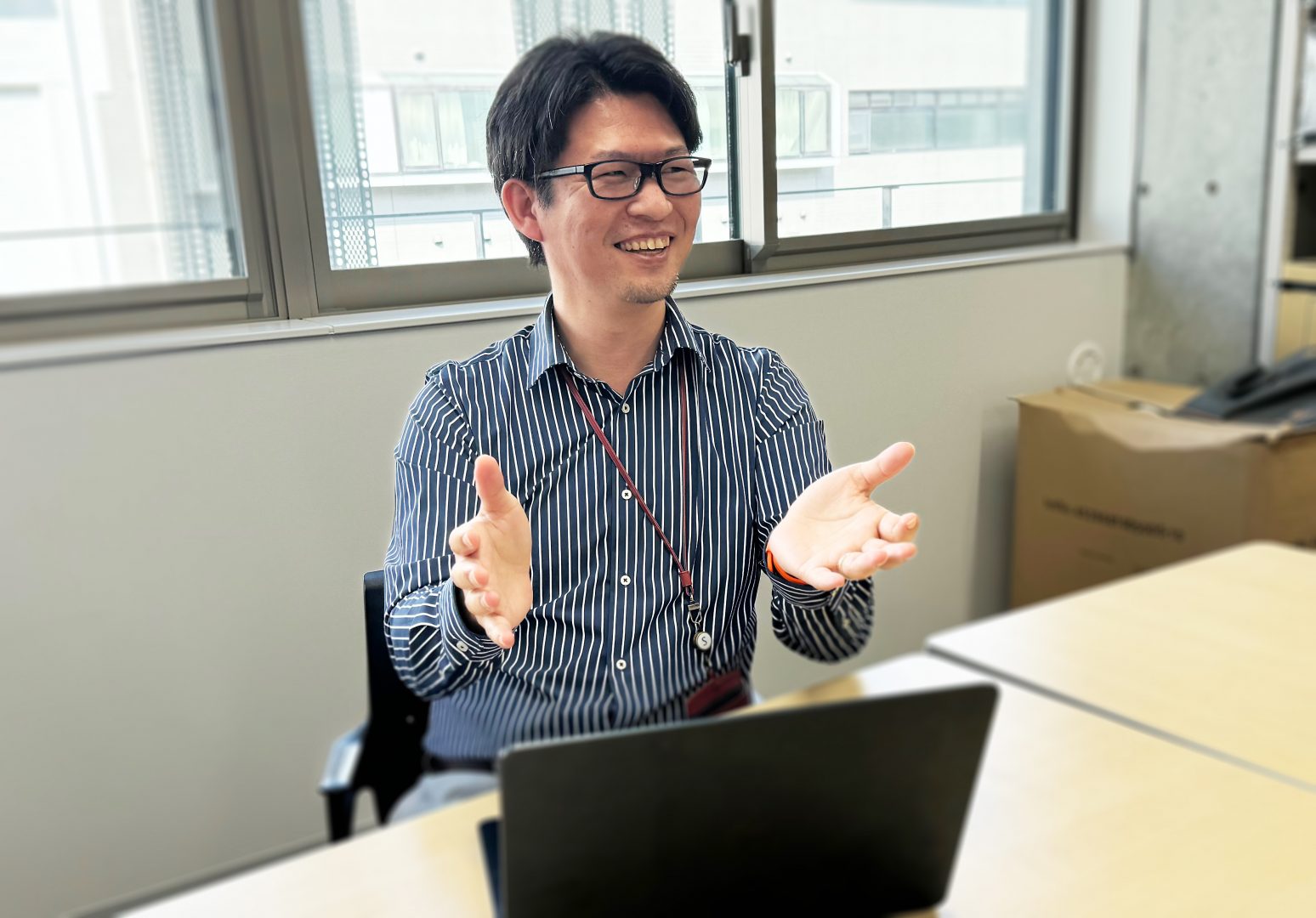
Associate Professor Eiji Konaka teaches Applied Analysis, System Control I, and Robot Systems at the undergraduate level, as well as Advanced Topics in Intelligent Control Systems and Scientific and Technical English at the graduate level. We spoke with him about his research and his impressions of the students.
In December 2022, I took my first overseas business trip in a while, accompanying graduate students as they presented their research at an international conference in Singapore.
Could you please introduce yourself?
I’ve spent my entire life in Nagoya—for school, university, work, and everything in between. After studying electrical engineering at the undergraduate and graduate school, I had the good fortune to join Meijo University as a faculty member. I’m sure there were opportunities to venture out along the way, but I feel a strong pull from Nagoya. I feel a deep connection to this place.
As a researcher, I have many opportunities to travel abroad. During breaks at international conferences, I often visit the stadiums—even when there’s no game going on. Additionally, I participated in quiz competitions during my student days, and I’m amazed by the recent quiz boom.
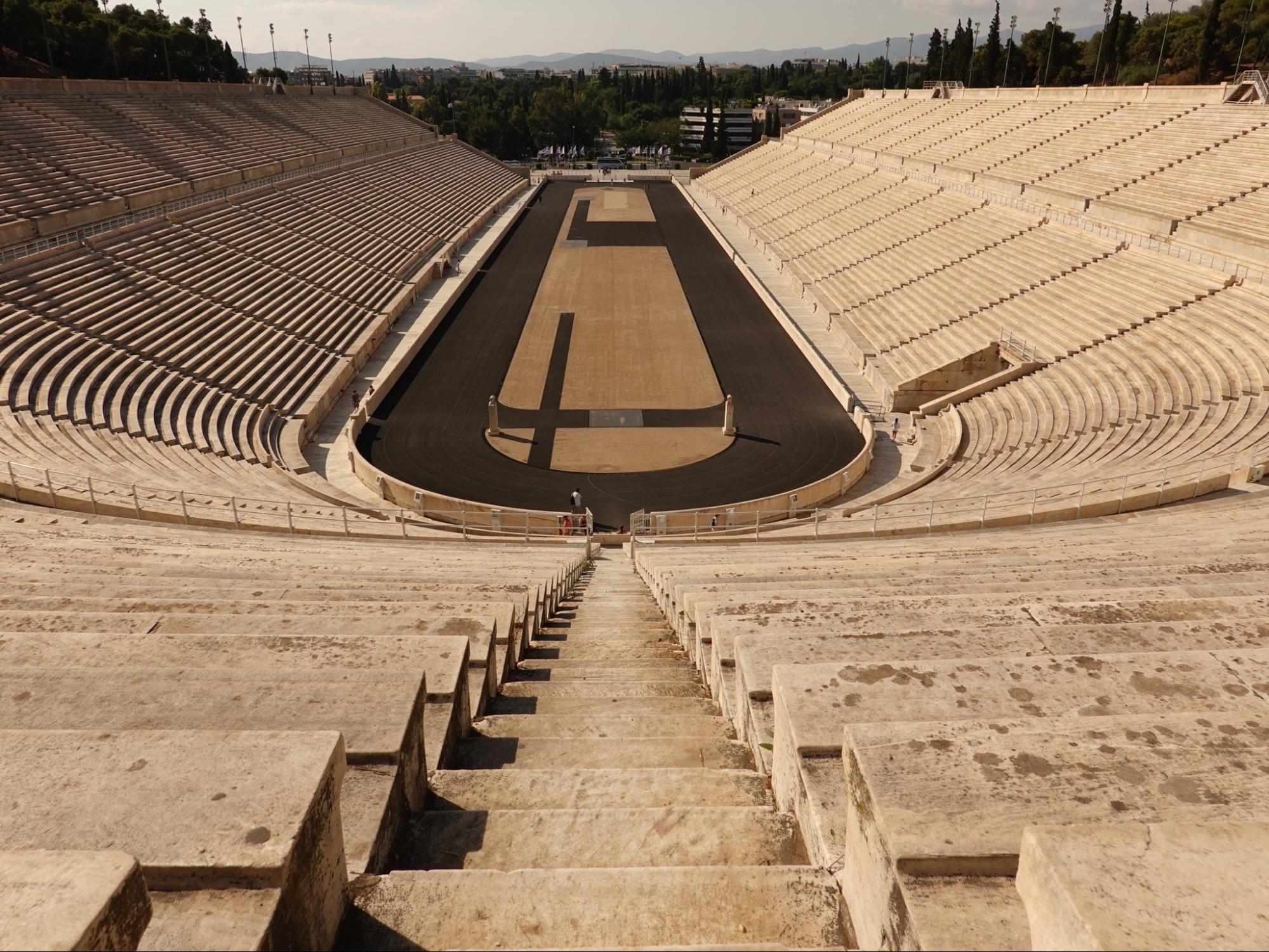
In the summer of 2019, I visited Athens to present my research on sports data.
Panathinaiko Stadium, which hosted the first modern Olympic Games, is located in the city center.
Please tell us about your field of expertise and what makes it interesting.
My current specialties can be broadly divided into two areas. The first is systems and control engineering, which I’ve been involved with since my student days. It’s a field that uses mathematics to understand the rules governing phenomena and to design mechanisms that achieve specific objectives. The second is sports data analytics, which grew out of my hobby of watching sports.
In sports data analytics, I utilize measurement data from sporting events to evaluate team and athlete performance, create rankings, and more. In both fields, the appeal lies in using mathematics and computers to gain a clearer understanding of reality.
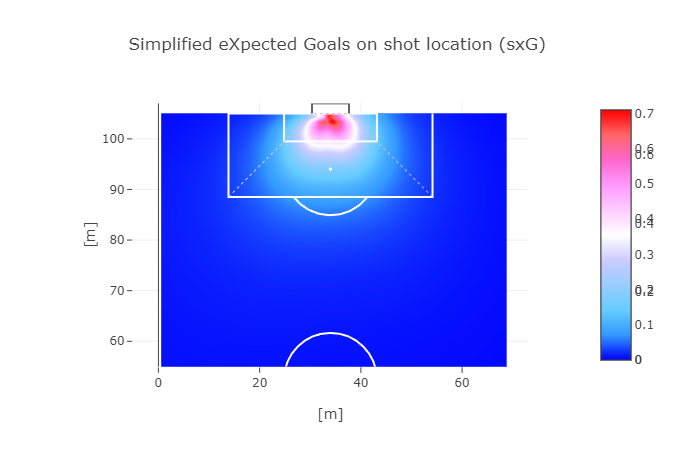
Using publicly available data from about 2,000 matches and 40,000 shots, it is possible to calculate the difficulty of scoring (expected goal value) for each location on the field.
What are your recent research themes?
I’ve been creating various sports rankings using publicly available data. By generating performance rankings based on results such as wins, losses, and goal differences, these rankings can also be used to predict match outcomes. In recent years, I have been continuously publishing predictions for the Olympics and multiple other sports.
I am also working on quantifying individual contributions in team sports—expressing each player’s impact as numerical values—based on detailed in-game records.
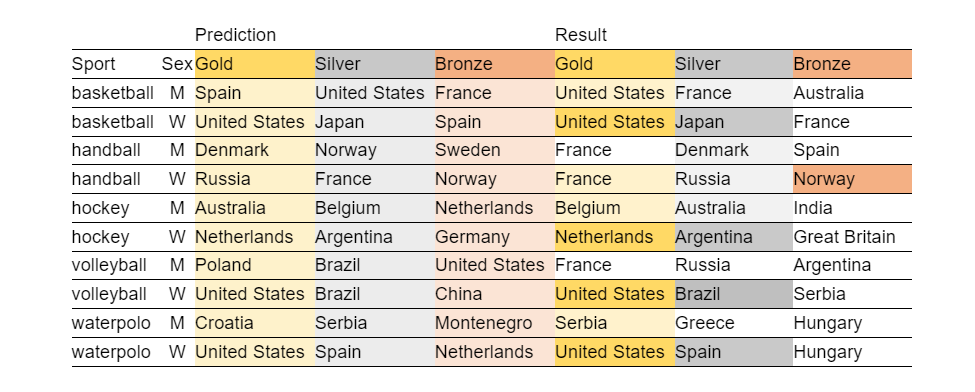
For the Tokyo Olympics (2021), I predicted the medal outcomes for ten ball sports based on goal differences from international tournaments over the past several years. One of my most satisfying predictions was Japan’s silver medal in women’s basketball.
How do the things learned and skills acquired at university prove useful after graduation?
By learning mathematical laws and principles, you gain a deeper understanding of how to interpret reality. Once you develop the ability to look past surface differences and focus on the underlying similarities in the governing rules, your “resolution” for viewing the world becomes much sharper.
You also learn to distinguish between phenomena that follow clear, elegant laws (such as in physics) and those that do not (such as social systems), and to understand the different approaches needed for each. That skill should serve as a useful guide for the rest of your life.
What is your impression of the students in the Faculty of Information Engineering at Meijo University?
Admission to this faculty requires considerable preparation in physics and mathematics.
While many students were able to handle the volume of the work, I got the impression that converting that into good quality required some ingenuity.
At university, the knowledge learned up to high school is something to be used, but I’ve noticed a wide range of differences in how well students make that mental shift. I hope they will use their university life as an opportunity to change themselves for the better.
Overseas travel is gradually returning to normal, and I’ve been attending international conferences to present my research.
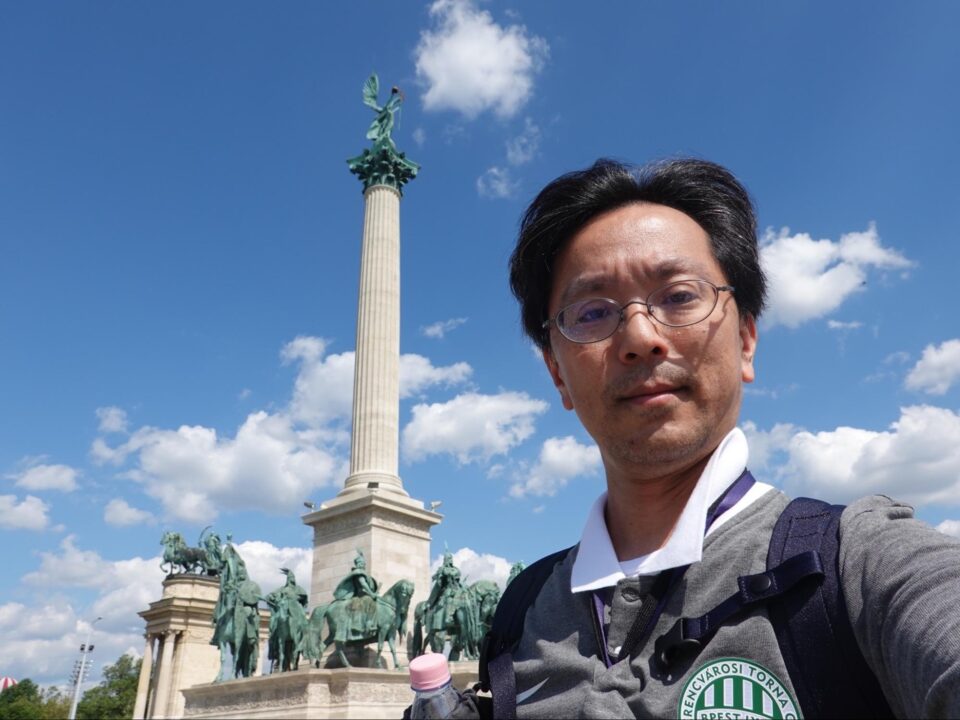
Budapest, which I visited in early summer 2023, was a wonderful city!
Professor Toshiharu Mukai, who teaches Introductory Seminar I & II, Electromagnetism, Physical Computing, and Sensor Engineering at the undergraduate level, and Advanced Topics in Intelligent Signal Processing at the graduate level.
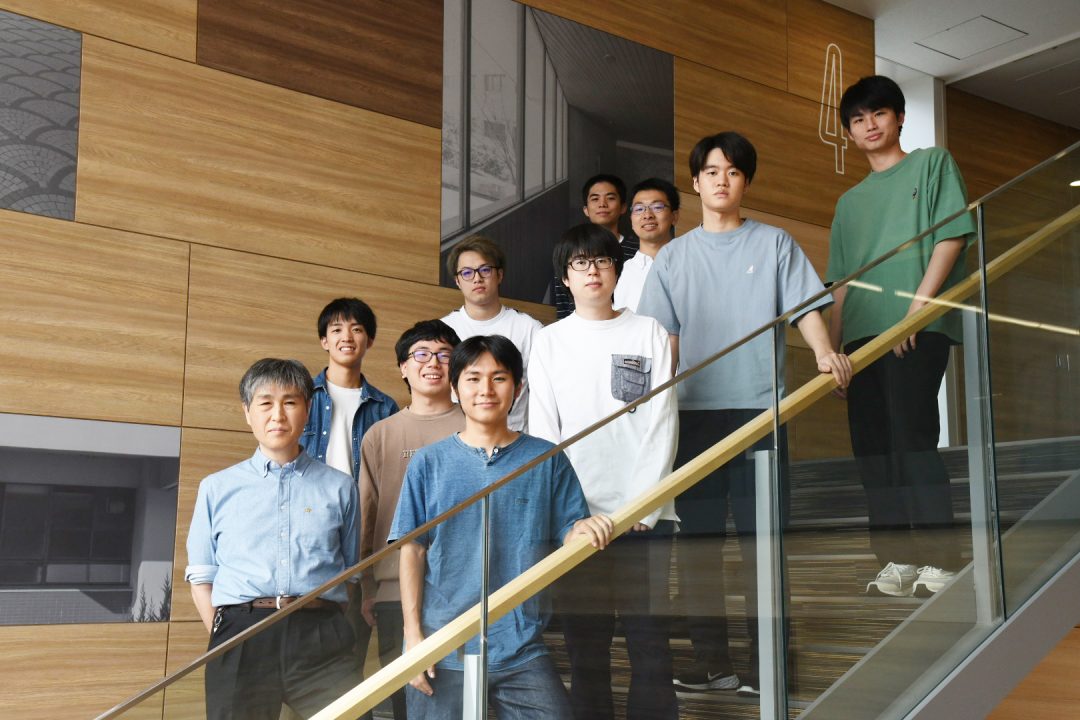
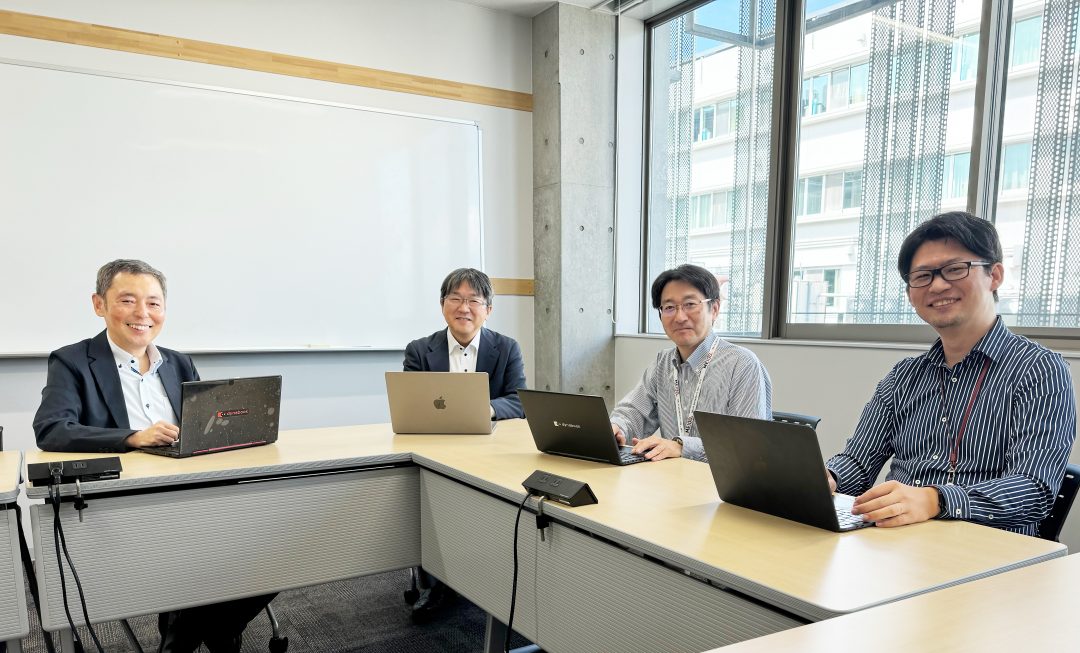
We spoke with him about his research and his impressions of the students in the Mukai Laboratory, led by Professor Toshiharu Mukai (far left).
Please introduce yourself.
Robot research during my time at RIKEN.
I’m originally from Gunma Prefecture. I moved to Tokyo for university, where I studied a field called Mathmatical Engineering & Information Physics throughout my bachelor’s, master’s, and doctoral programs. It may not be a familiar term, but it’s a branch of engineering that builds on physics and mathematics while incorporating elements of information, electronics, and systems.
After graduation, I joined RIKEN (a National Research and Development Agency). At RIKEN, projects are usually organized on a fixed-term basis, so I moved between different projects every few years. During that time, I also spent a year studying abroad in France. Eventually, in 2015, I started working at Meijo University.
How do you usually spend your days off?
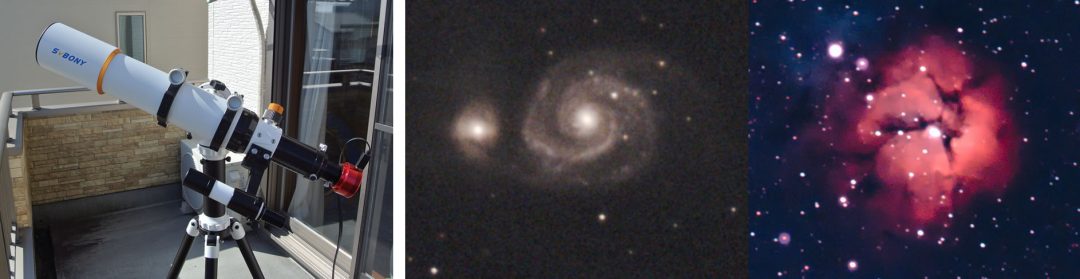
I enjoy stargazing from my balcony at home. My knowledge of information science is helpful in various ways, including controlling the movement of the telescope, aligning and compositing dozens of astronomical images captured with a CCD camera, and removing noise using Wavelet transforms. Recently, I’ve also taken up competitive programming as both a hobby and a way to sharpen practical skills.
My telescope setup on the home balcony and an astronomical photo I captured.
Please tell us about your field of expertise and what makes it interesting.
Broadly speaking, my field is sensor information processing. Sensors are devices that capture the state of the world and convert it into information that computers can handle. Because they enable systems to respond to real-world situations, there’s a saying: “He who controls the sensors controls the system.”
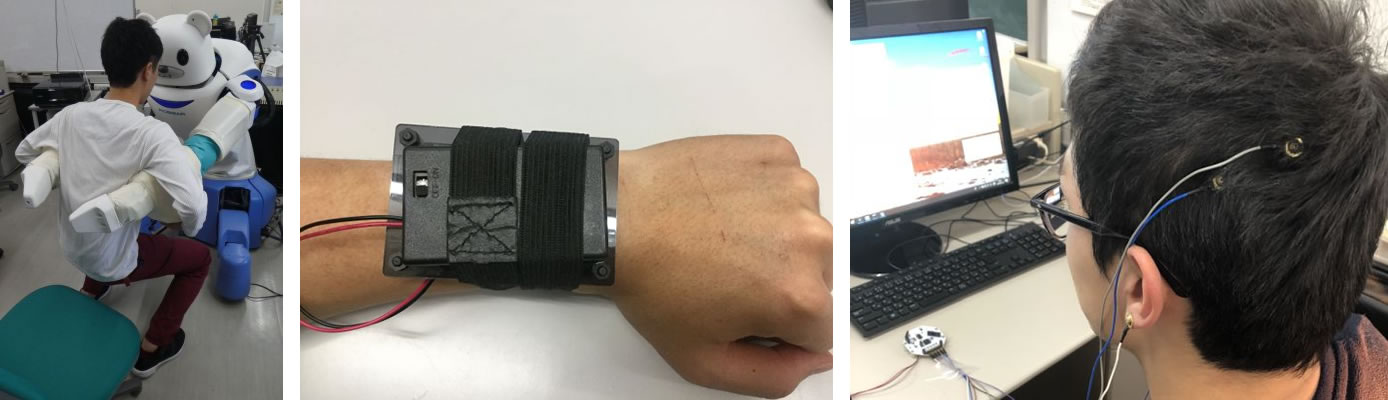
My research focuses on applying sensor information to nursing care and welfare. More specifically, I study how to incorporate sensors into assistive devices and welfare robots.
Robot-assisted standing support (left), a photoplethysmograph built by students (center), and an EEG experiment (right).
Could you tell us about your recent research themes?
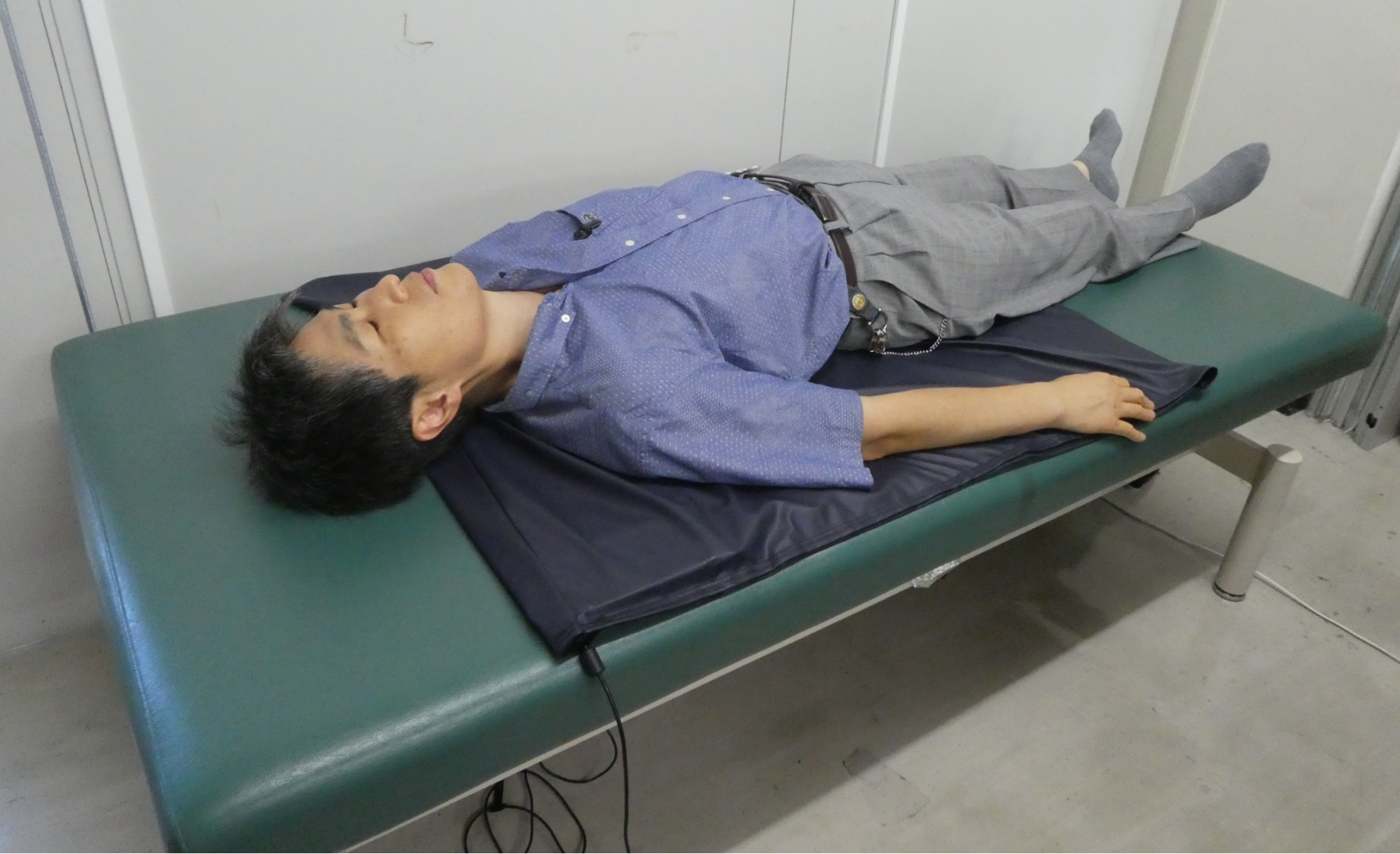
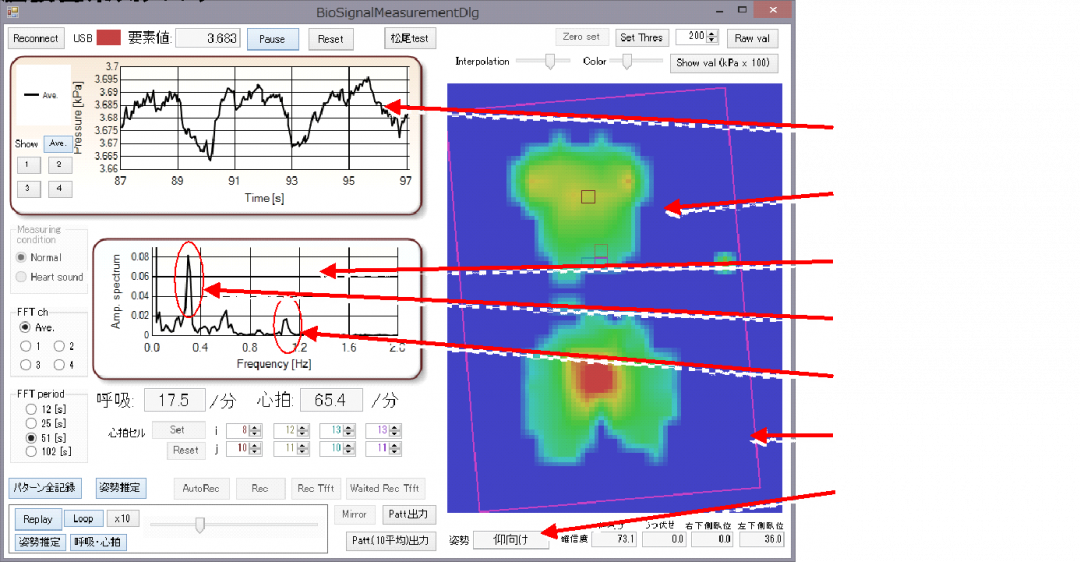
One of the main areas I’m currently working on is the use of sheet-type tactile sensors placed on a bed to obtain biological information from a person lying on it. These sensors provide time-series data of pressure distribution.
Although the sensor output reflects various bodily activities, by applying signal processing and pattern recognition, we can extract information such as respiration rate, heart rate and its variability, sleeping posture, and even body movements like turning over. Moreover, changes in respiration and heart rate variability also allow us to estimate stress levels.
A sheet-type tactile sensor capable of acquiring biological informationExample of output from a sheet-type tactile sensor
How do the things learned and skills acquired at university prove useful after graduation?
I believe the most important thing to gain at university is a kind of intellectual stamina—the ability to solve problems, think logically, make sound judgments, and acquire new knowledge.
Classes and graduation research serve as practice exercises for developing these abilities. While the knowledge and skills learned at university can sometimes be directly practical, what will be more immediately relevant after graduation is the specialized knowledge unique to the field of the job you take on. Such knowledge should be continuously updated annually. I think it’s best to view university as a foundation for enabling smooth and practical learning throughout your career.
What is your impression of the students in the Faculty of Information Engineering at Meijo University?
There’s a wide variety of students, but overall, my impression is that many of them are diligent and steady, applying themselves seriously to the tasks they’re given.
We spoke with Professor Mikiko Kawasumi, who teaches Kansei Information Processing and Global Seminar at the undergraduate level and Advanced Topics in Visual and Color Information Processing at the graduate level, about her research and her impressions of the students.
With the members of her laboratory in 2020. Professor Mikiko Kawasumi (right).
Could you please introduce yourself?
I studied mathematics as an undergraduate and pursued a master’s degree in Physical Information Systems. After spending 12 years at Toyota Central R&D Labs (the research institute of the Toyota Group) researching neural networks and color information processing, I became a university faculty member.
Because I frequently travel back and forth between Thailand and Singapore for both research and personal reasons, I also plan and lead overseas training programs for the Faculty of Information Engineering. Nagoya is my hometown, where I spent my elementary, junior high, and high school years. I’ve always enjoyed physical activity: I was in the university field hockey club, joined the ski club while working in industry, and recently have taken up golf and cycling.
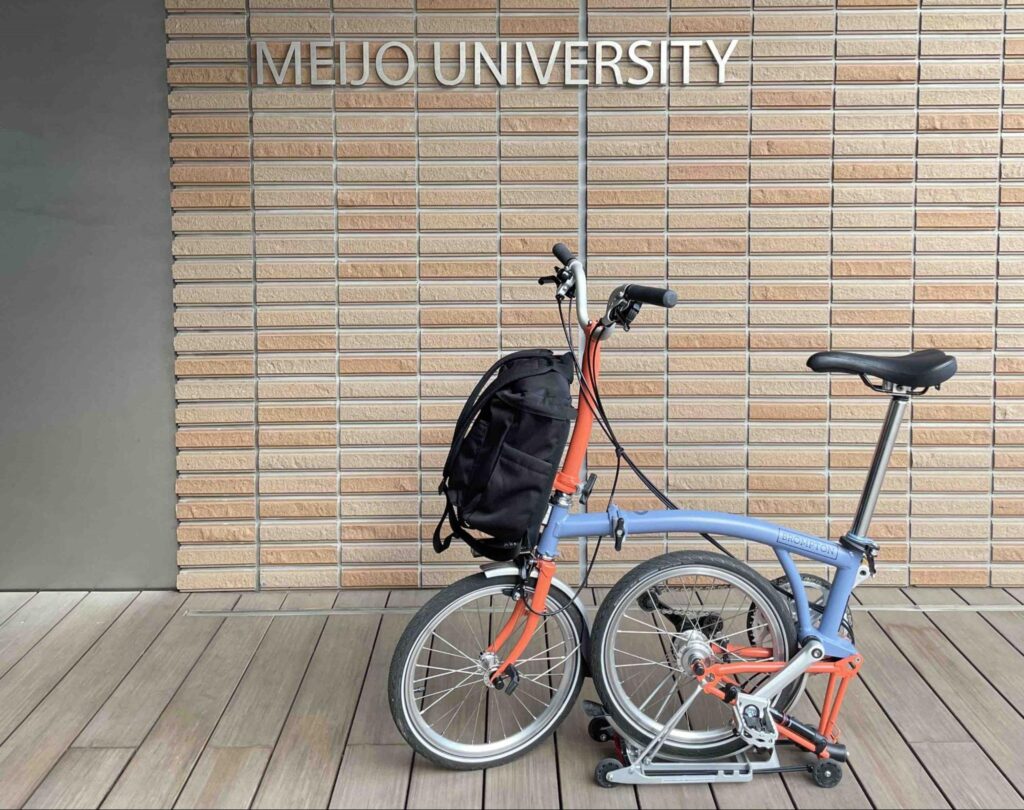
Sometimes I commute to the lab on my beloved BROMPTON bicycle.
Could you tell us about your field of expertise and what makes it interesting?
My specialty is Kansei Engineering, which applies human senses and sensibilities to product design and development. The subjects I work with are diverse, ranging from automobiles and home appliances to lighting, communication devices, websites, cosmetics, agricultural products, cityscapes, and smart cities. Much of the research is conducted in collaboration with companies, local governments, and other external organizations.
The genuine excitement and reward of this field come when the technologies we have in the lab for quantifying, analyzing, and designing based on human sensibility (our “seeds”) connect effectively with the social issues and “needs” outside the university. Achieving shared goals together in this way is what makes the work very fulfilling.
What are your recent research themes?
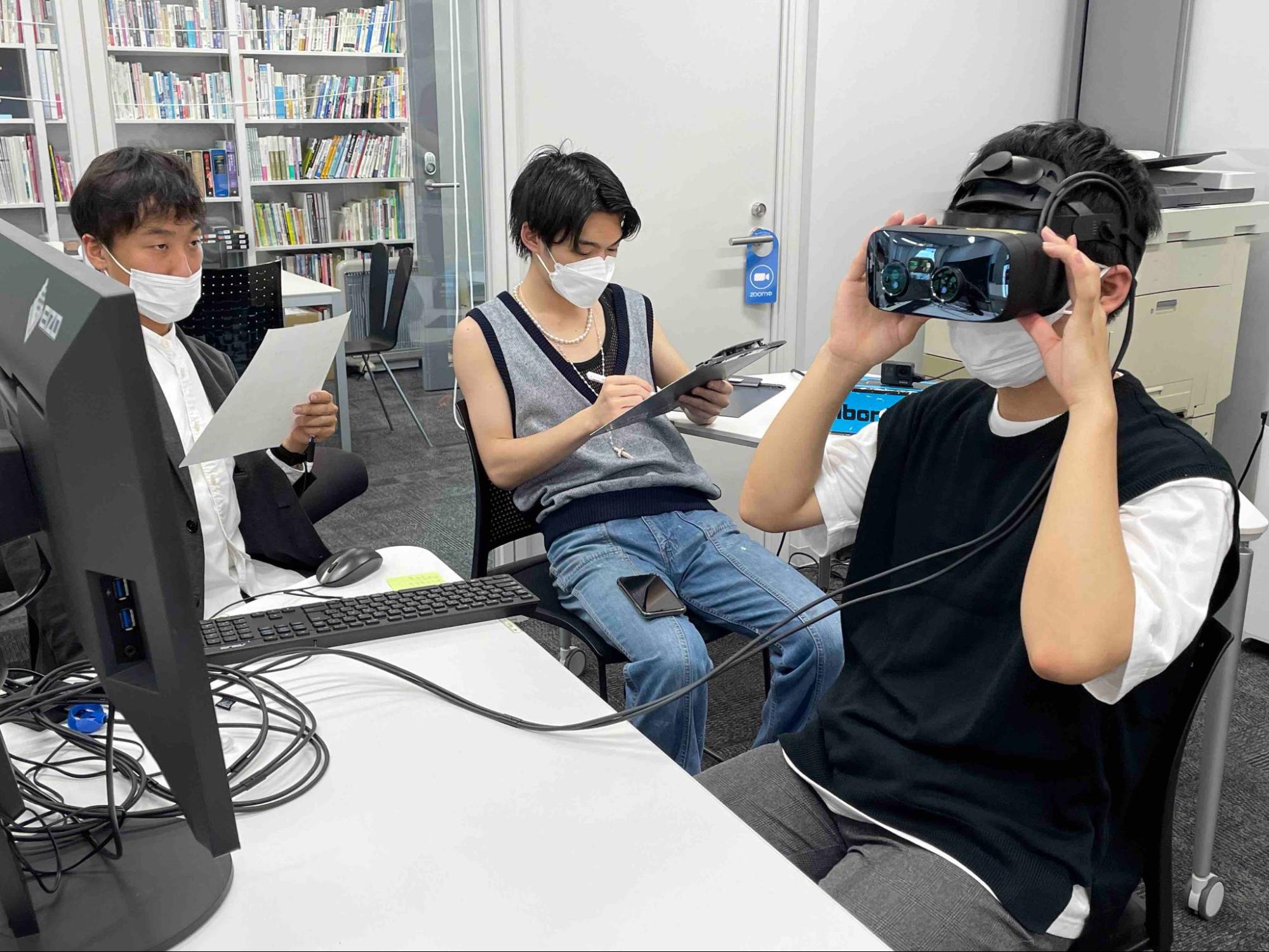
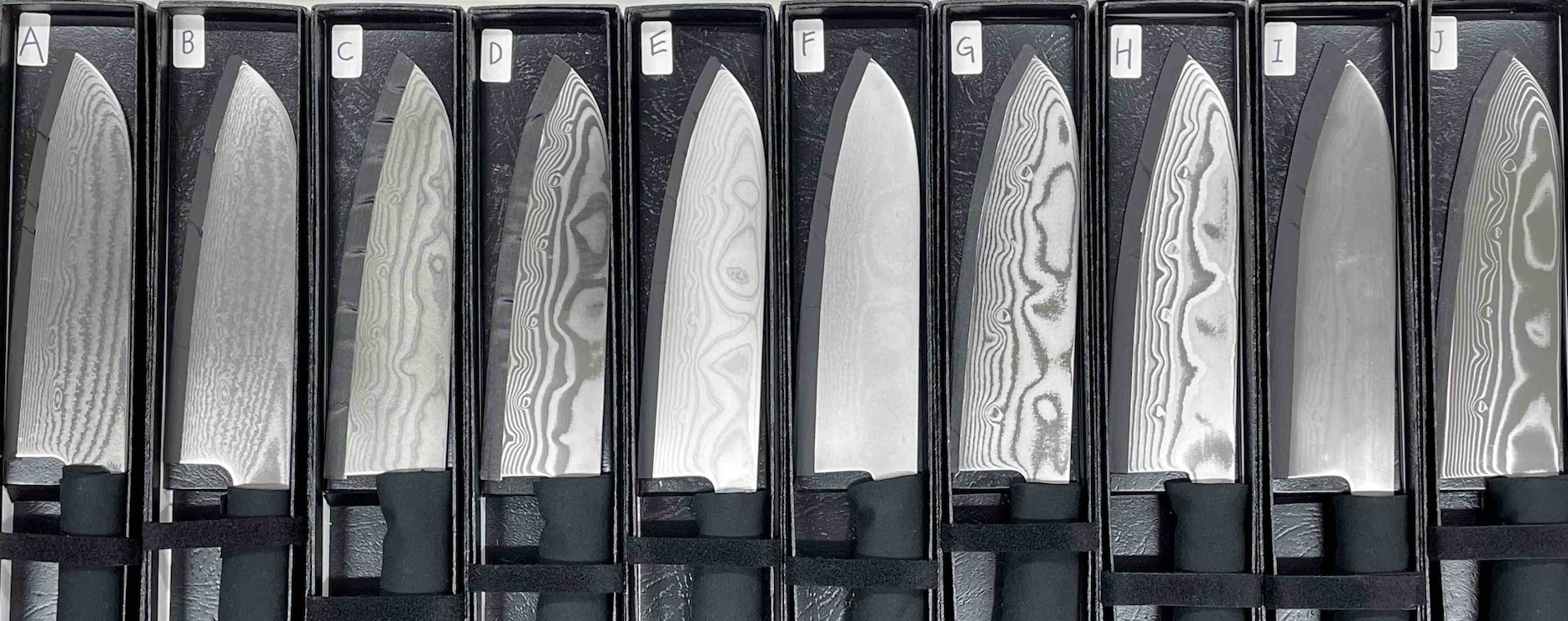
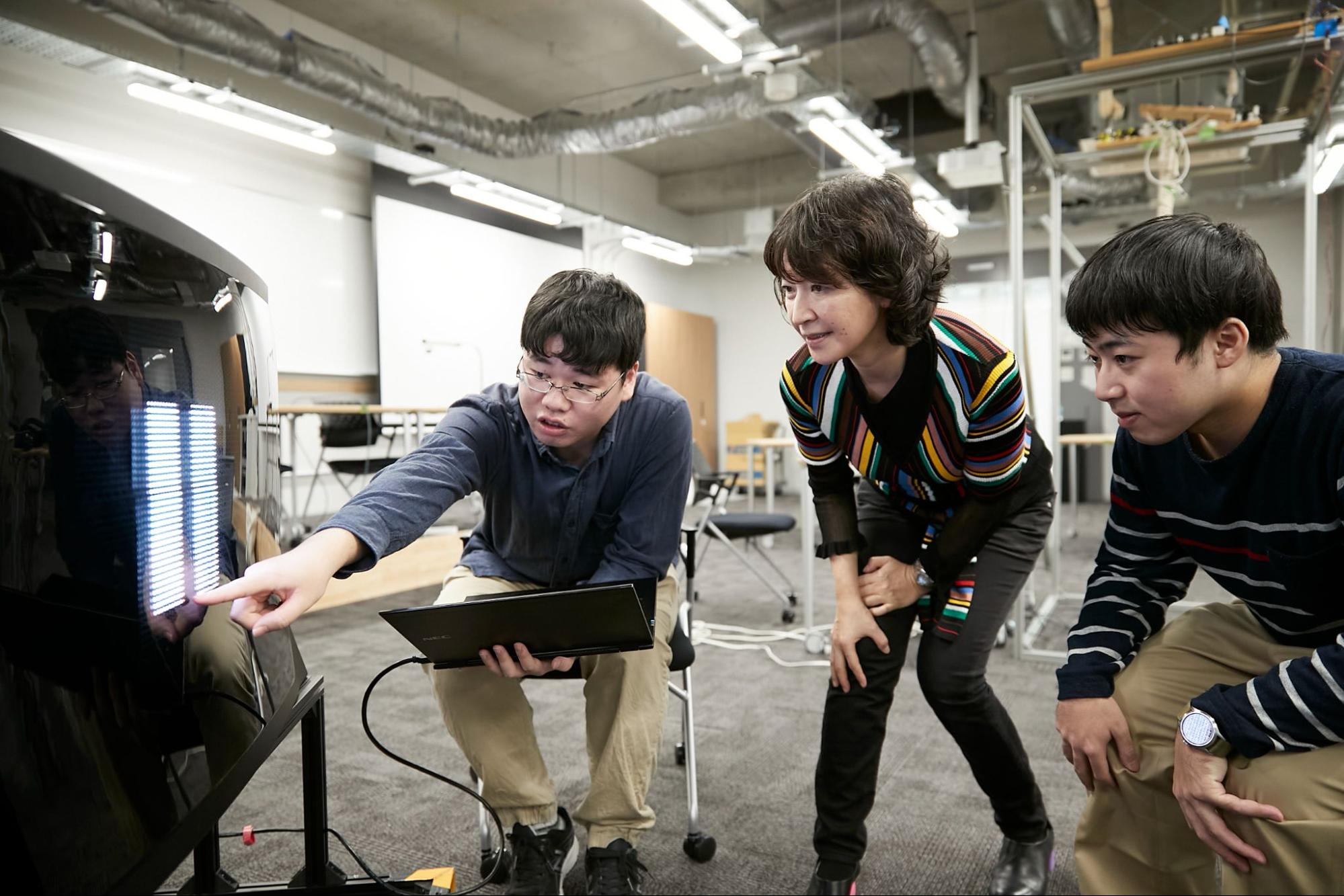
With an automotive parts manufacturer, I’m conducting research using VR goggles to study how emotions change within the lighting environment of a car interior. With a materials manufacturer, I’m working on a project to add new sensory value to Damascus-patterned knives made from multilayer clad steel.
Research on Sensory Evaluation of Lighting Environments Using VR Goggles (Joint Project with Industry)
Research on Adding Unprecedented Value to the Appearance of Kitchen Knives (Joint Project with Industry)
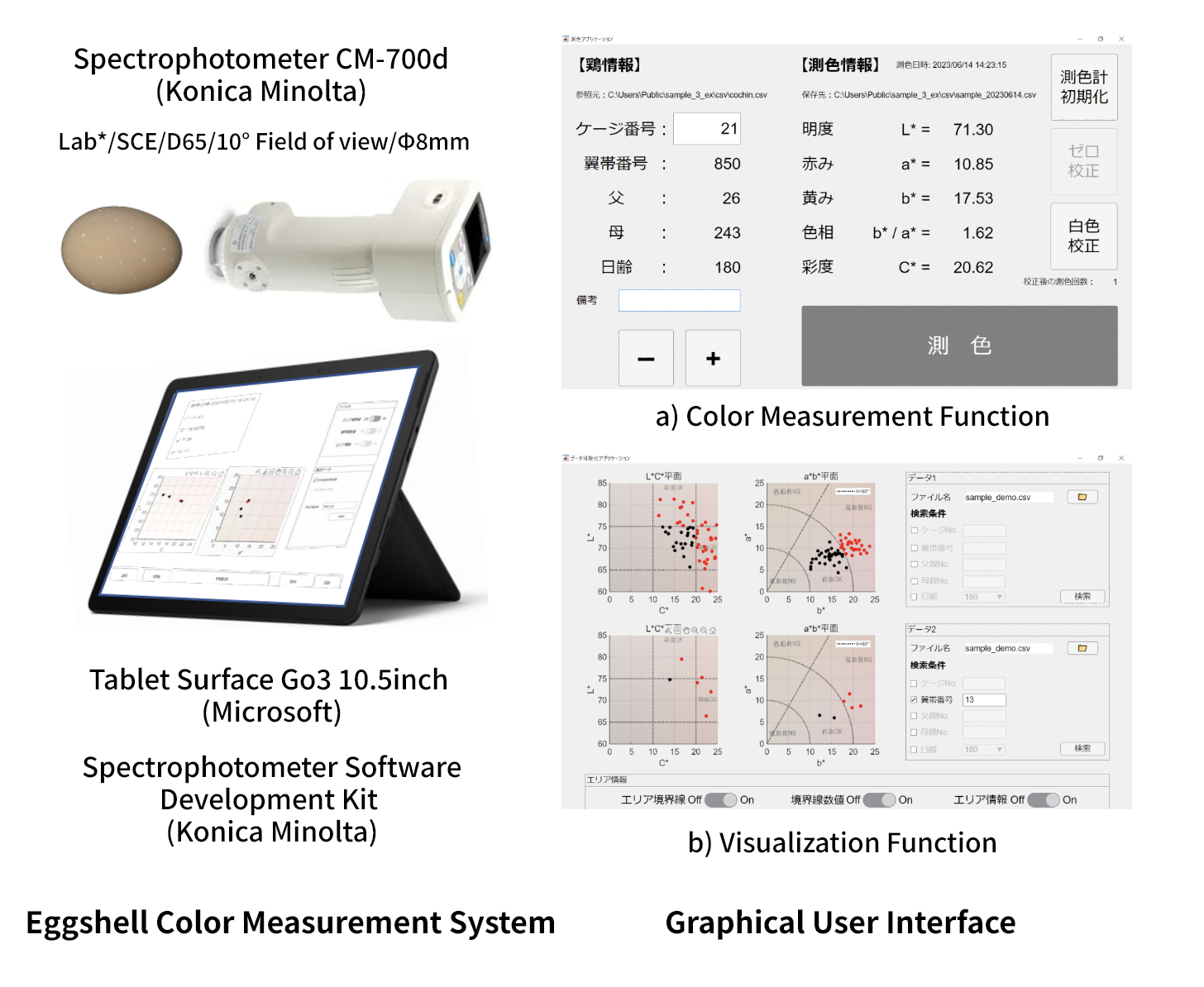
In collaboration with the Aichi Agricultural Research Center, we are developing a system that visually displays an attractiveness score when measuring the unique shell color of Nagoya Cochin eggs. I am also working on research to quantify and model “beauty,” which is often considered one of the most challenging aspects of sensibility to capture.
Prototype of a Color Measurement System for Nagoya Cochin Eggshells (Joint Project with Aichi Prefecture)
In what ways do the specialized fields and skills learned at university prove useful after graduation?
From their fourth year onward, students engage in research activities that allow them to experience the complete set of processes required of engineers in professional life: reviewing previous studies, formulating hypotheses, planning experiments, selecting methods, scientifically analyzing and interpreting results, writing reports, and managing schedules and budgets.
Pioneering new paths through repeated information sharing and discussion is never easy. However, the experience of connecting with researchers outside the university, defining roles, and achieving goals collaboratively as a group becomes an immediate asset in any professional field.
Research on Visual Displays for Communication Between Autonomous Vehicles and Pedestrians (Joint Project with Industry)
What is your impression of the students in the Faculty of Information Engineering at Meijo University?
Many of them strike me as reserved and quiet, tending not to say more than necessary and preferring to avoid conflict. This makes them well-suited to the traditional model of Japanese salaried engineers, and they will likely be valued in that role.
However, considering the uncertain and chaotic times ahead, as well as the need for collaboration with the international community, what will likely be required are individuals who can develop their own ideas and convictions, step forward without hesitation, and express themselves confidently. I hope they will take full advantage of their student years to train themselves and cultivate that kind of attitude.
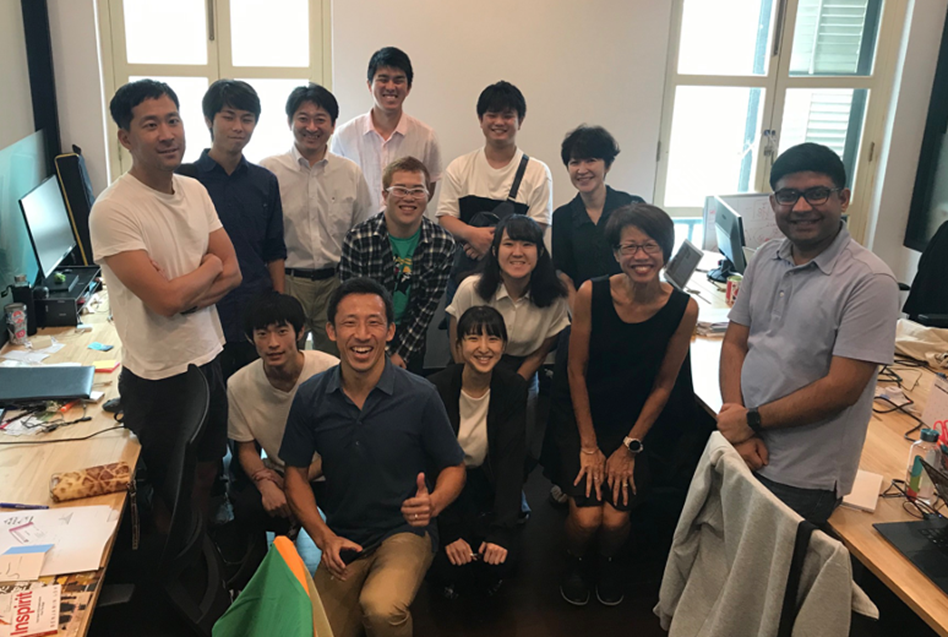
Visiting an AI Development Startup During an Overseas Training Program (Singapore, August 2019)
Information engineering is a tool, and it only becomes beneficial to society when connected to social issues. For this reason, in the Global Seminar course, I organize and lead overseas training programs that provide students with the opportunity to encounter strikingly different values and perspectives—ones that are often overlooked while living in Japan. These programs also expose them to a wide range of social issues and encourage them to reflect on their own position in the world.
We have been continuing these overseas training programs since 2015, and many global engineers have since emerged.
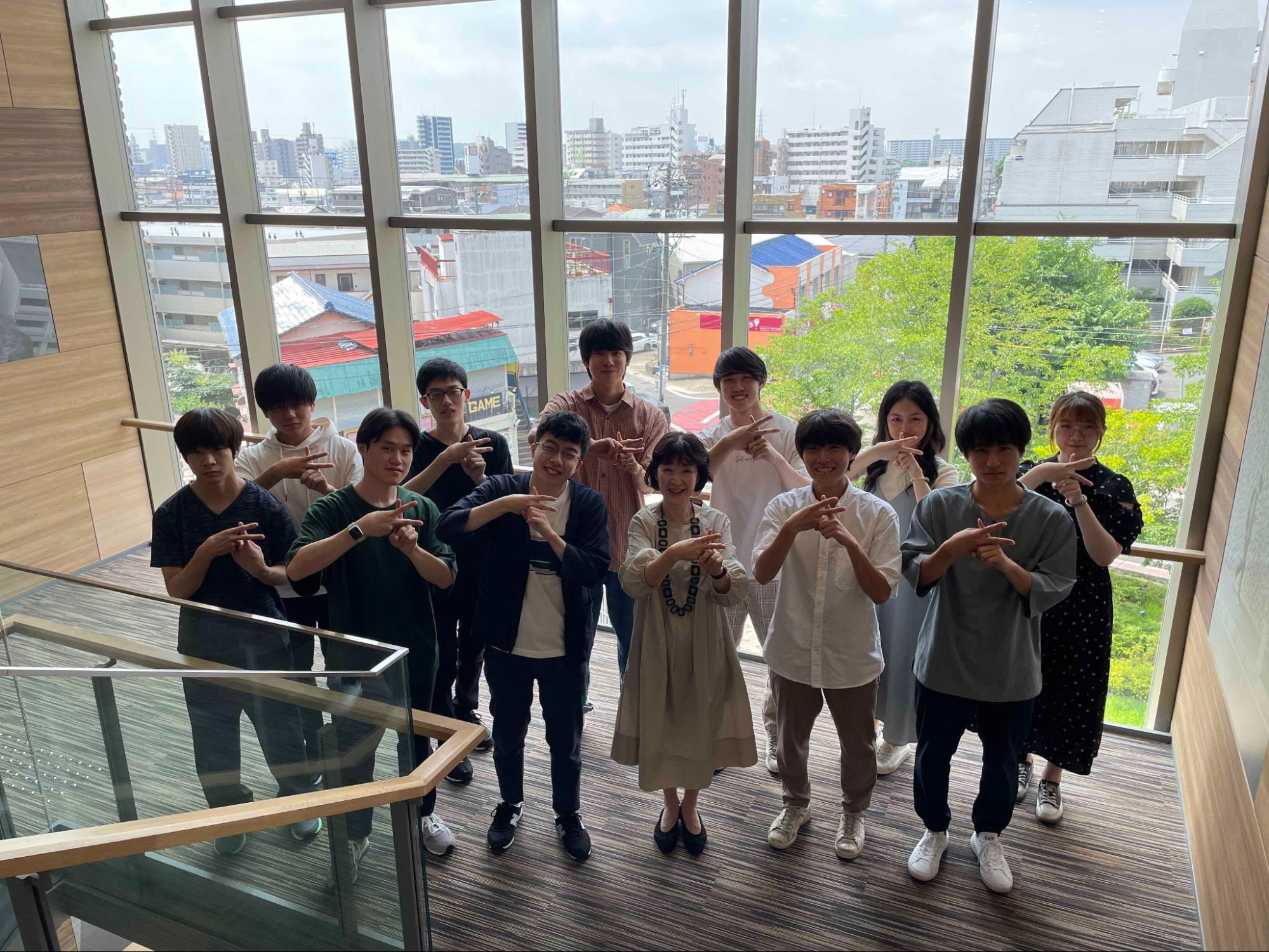
With the members of my laboratory in 2023. Holding up the initial “K” for Kawasumi Lab and Kansei Research.
In 2022, Meijo University’s Department of Information Engineering was reorganized as an independent Faculty of Information Engineering, having previously been one of the departments within the Faculty of Science and Technology. Looking ahead to the 2026 academic year, the university plans to establish a new Graduate School of Information Engineering, separating it from the current Graduate School of Science and Technology. We spoke with Professors Yasuyuki Yanagida, Masaya Yoshikawa, Hidekazu Suzuki, and Atsushi Teramoto about their vision for this new graduate program. Note: The details regarding the Graduate School of Information Engineering are currently under development and subject to change.
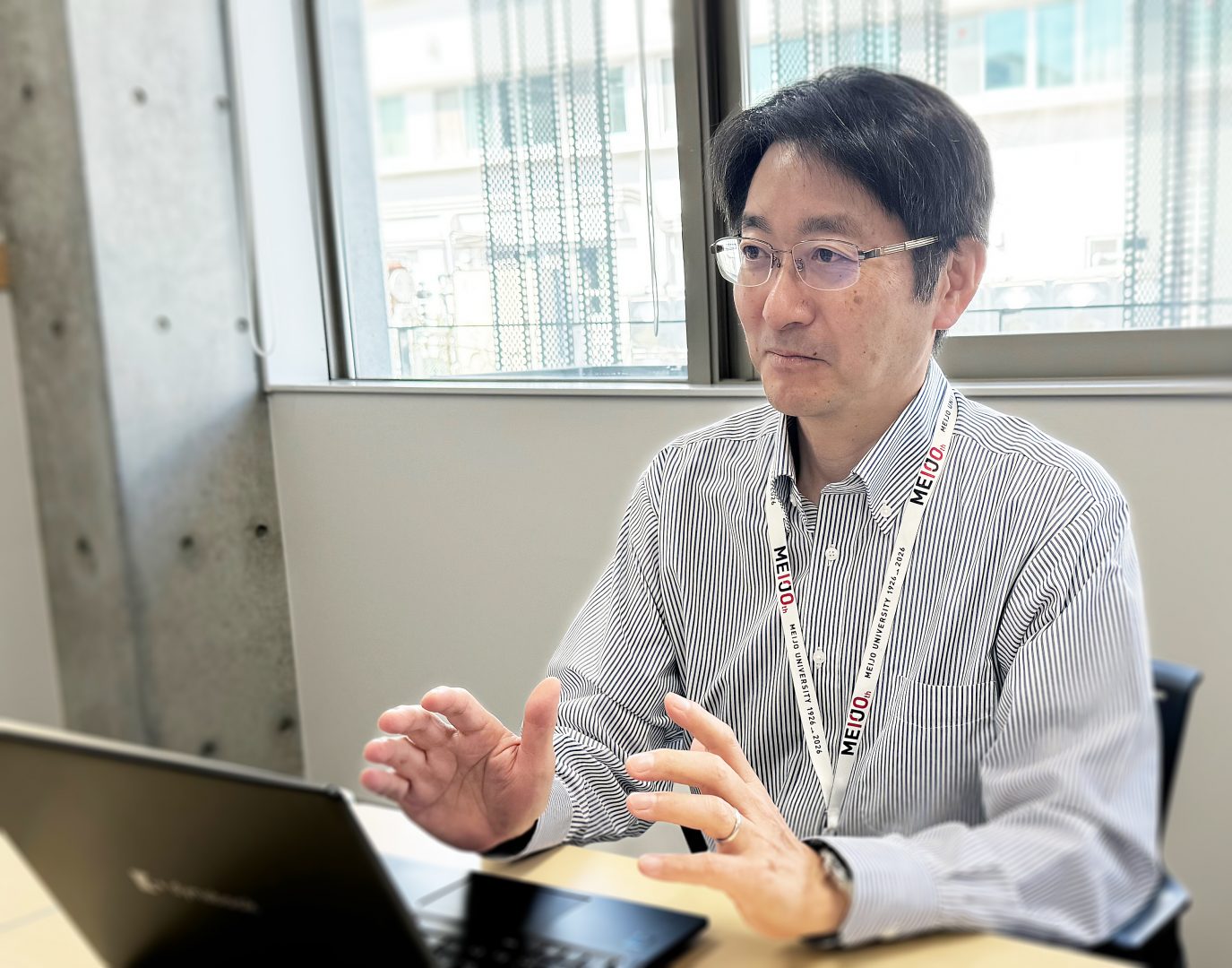
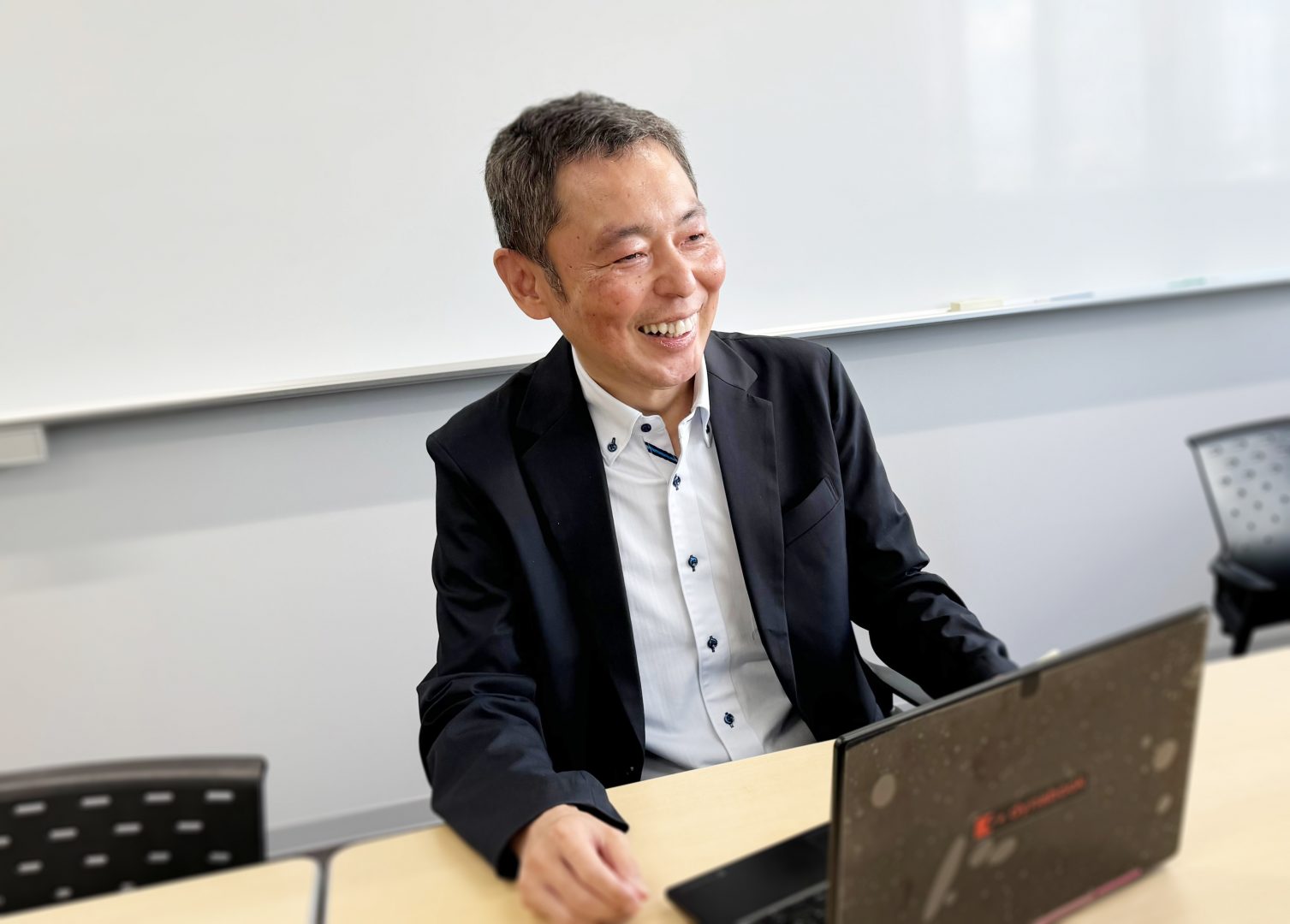
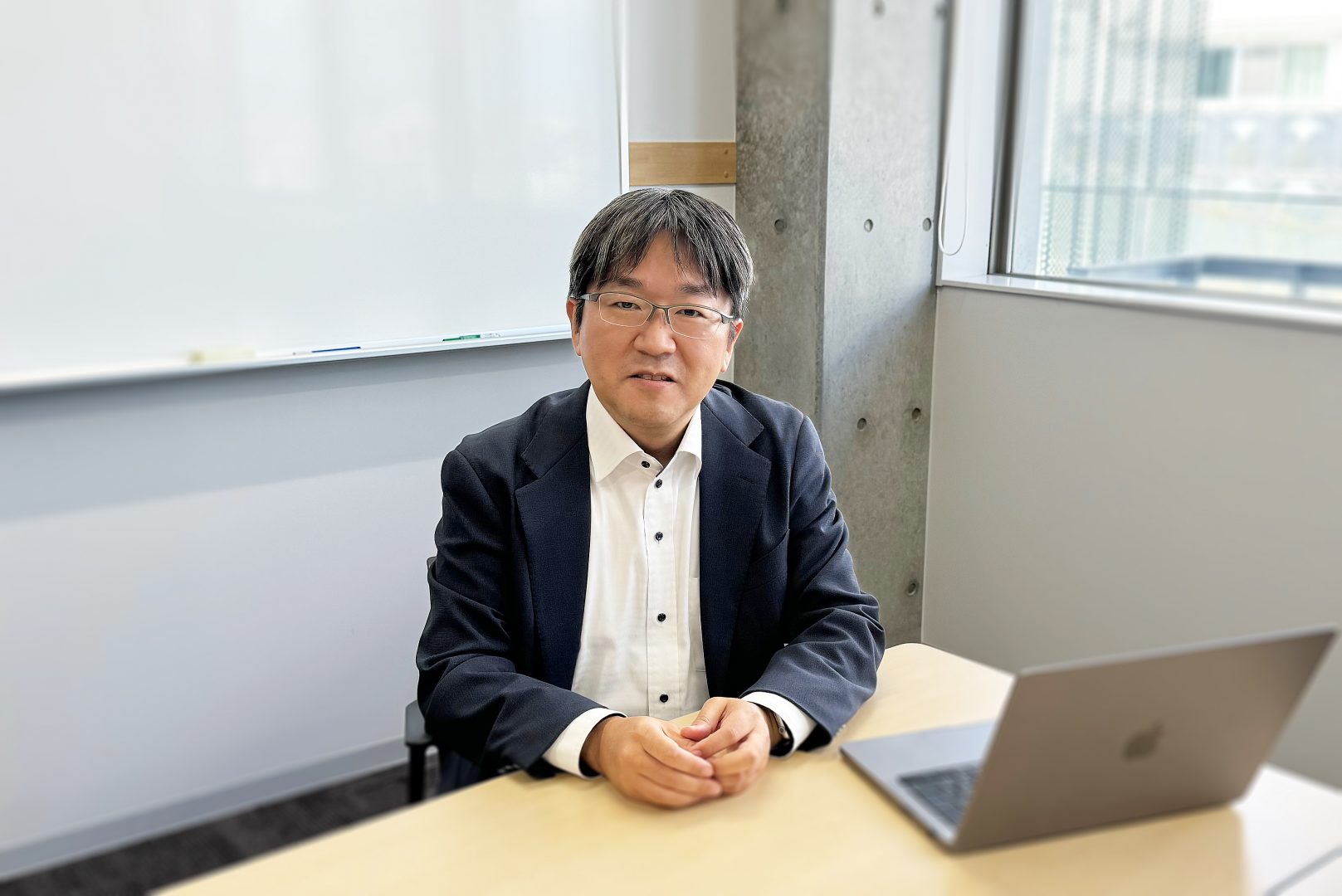
From left: Professor Yanagida, Professor Yoshikawa, Professor Teramoto, Professor Suzuki
The Faculty of Information Engineering is known for allowing students to design their own curriculum by combining two courses and four programs. What will the graduate school curriculum be like?
Professor Yasuyuki Yanagida
Yanagida: In the graduate school curriculum, each of the four specialized fields will offer several advanced-level subjects. In addition, we are introducing a new common subject titled Advanced Topics in Data Science and Artificial Intelligence, which will allow all students to gain graduate-level knowledge in data science and artificial intelligence.
How will the undergraduate and graduate curricula be connected?
Yanagida: Most graduate-level courses build upon and deepen the specialized content taught at the undergraduate level. The format and content will vary depending on the subject, but many courses will go beyond traditional lectures—for example, students may be required to read and present research papers, or engage in hands-on activities such as creating tangible projects.
Compared to undergraduate studies, what kinds of skills can students develop further in graduate school?
Professor Masaya Yoshikawa
Yoshikawa: In undergraduate studies, particularly in the capstone graduation research project, students are typically given a topic and are expected to find ways to solve it. In contrast, graduate school involves a different process: students begin by conducting a survey of existing research—such as reading academic papers—to understand the current state of their chosen field. From there, they must identify a relevant problem on their own, then apply their existing knowledge and skills to devise a solution, evaluate its effectiveness, and present the results. These presentations are often made in English at international conferences, so students develop not only academic writing skills in English, but also the ability to engage in discussion and debate in English.
Yanagida: In graduate school, the primary focus is not on taking classes, but on conducting research. Students don’t just absorb knowledge—they actively investigate, implement, test, and produce outcomes. Through this process, they develop a comprehensive set of hands-on, research-driven skills.
What kinds of facilities will be available in the graduate school?
Yanagida: There won’t be a strict distinction between the facilities for undergraduate and graduate students. The graduate school will share facilities with the Faculty of Information Engineering. However, graduate students will spend more time conducting research in their assigned labs, rather than in shared student labs. As part of the new graduate school’s development, we are also planning to introduce specialized AI computing servers and other infrastructure to support the growing importance of data science and AI in society.
Could you tell us about the types of research labs available?
Professor Atsushi Teramoto
Teramoto: The Faculty of Information Engineering and its labs are organized into four major research areas: Physical Computing, Data Engineering, Human Media, and Network Systems. Each lab conducts advanced research using the latest technologies, with a focus on real-world applications. Research themes include virtual reality, natural language processing, information security, IoT devices, image processing, speech processing, affective engineering, and AI in healthcare, among others. Both graduate and undergraduate students are actively involved in research within these labs.
What kind of research are graduate students currently conducting in the predecessor program, the Department of Information Engineering within the Graduate School of Science and Technology?
Yoshikawa: In the Department of Computer Science, we focus on two main research areas: (1) Security for AI and (2) AI for Security. (1) refers to technologies that ensure the safe and secure use of artificial intelligence. One of our recent achievements is the development of a content protection technology that prevents generative AI from learning from copyrighted content without permission—we have filed a patent for this innovation. (2) involves using AI to enhance conventional security technologies such as cryptography and authentication. For example, even theoretically secure encryption systems may be vulnerable to attacks using side-channel information like electromagnetic emissions during the encryption process. Our research seeks to develop countermeasures against such threats.
Yanagida: In my lab, we conduct research in the fields of virtual reality and computer-human interface. Some students take on long-term research themes that have been passed down through successive lab members, deepening and expanding upon them. Others build on experiences from their senior year, such as participating in the IVRC (International collegiate Virtual Reality Contest), and develop new graduate research themes based on the challenges they encountered during the creation of interactive works.
Suzuki: In my laboratory, we are conducting research on the following themes: realizing reliable and secure end-to-end encrypted communication between devices in a complex internet environment, while maintaining uninterrupted communication even when devices move and their IP addresses change, through overlay network technology; developing a framework that enables smart devices and IoT devices to operate in coordination without being conscious of differences in communication protocols; technology for safely controlling smart home appliances remotely from outside the home; and a system for visualizing the status of garbage collection by determining garbage collection based on the operating sounds generated during garbage compression in garbage trucks.
Teramoto: In my laboratory, we are conducting research on AI technologies applied to the medical field. This research involves analyzing medical images using AI to detect diseases, identify their types, and support physicians in making diagnoses. Recently, many graduate students wish to study generative AI, and more than half are conducting research applying generative AI to the medical field. Examples include research that, when given a chest X-ray image, analyzes image features and generates diagnostic reports, as well as research that generates medical images or converts them into other types for use in diagnosis.
From left: Professor Yoshikawa, Professor Teramoto, Professor Yanagida, Professor Suzuki
Please share a message for students considering applying to the graduate school from other universities or from overseas.
Teramoto: At the Graduate School of Information Engineering, we will promote research that applies computer science technologies across a wide range of fields. To achieve this, we need the perspectives and knowledge of students who have studied not only computer science but also various other disciplines. We welcome students who are interested in advanced research in computer science, regardless of their undergraduate field of study. We also strongly welcome applications from overseas. Each year, several international students enroll in our graduate program, and many have produced excellent research results and gone on to graduate successfully. We aim to build a global research environment where students from diverse backgrounds can deepen their research together.
What career paths are possible after completing the graduate school?
Professor Hidekazu Suzuki
Suzuki: Career options include employment in the IT industry, manufacturers (such as those in the electrical, telecommunications, or mechanical sectors), IT consulting, government positions, educational institutions, and entrepreneurship. In terms of further studies, advancing to a doctoral program is also an option.
With the spread of transformative technologies like generative AI, society is experiencing significant change. What kind of human resources do you hope to cultivate?
Yoshikawa: I hope to cultivate individuals who can carve out their own paths in the world, no matter where they are. Through research activities in graduate school, I want students to gain the training necessary to develop that strength.
Yanagida: Rather than simply using generative AI provided by specific companies, I want to nurture individuals who understand how such technologies work and what their characteristics are—people who won’t be controlled by AI, but will be able to skillfully use it as a tool.
Suzuki: It is necessary to foster individuals who not only possess foundational and specialized knowledge and skills related to AI, but who can also understand and appropriately apply AI technologies with awareness of ethics—including transparency and privacy—as well as the social and economic impacts brought about by generative AI. Problem-solving skills and communication abilities, which have always been essential, will continue to be indispensable in the future.
Teramoto: Since its emergence, the computer—at the core of computer science—has increased in computational power by several billion times. There is no other field that has progressed so rapidly. In this ever-changing discipline, I hope to cultivate individuals who can open up new frontiers while keeping a clear view of the fundamental principles. To do so, it is important to develop the ability to gain deep insight based on solid foundational knowledge. By laying a strong foundation during the four undergraduate years in the Faculty of Computer Science, and then spending two years in graduate school delving deeply into a research topic, students can acquire such abilities.
We look forward to welcoming you to the Graduate School of Computer Science at Meijo University!