
While studying at Meijo University, Joon Hwang conducted joint research with automobile manufacturers on international perceptions of automobiles using a kansei engineering approach. In 2019, he joined Toyoda Gosei Co., Ltd., where he has been involved in planning and developing automotive interior components while continuing collaborative industry–academia research with Meijo University. We spoke with Joon Hwang about his work and experiences.
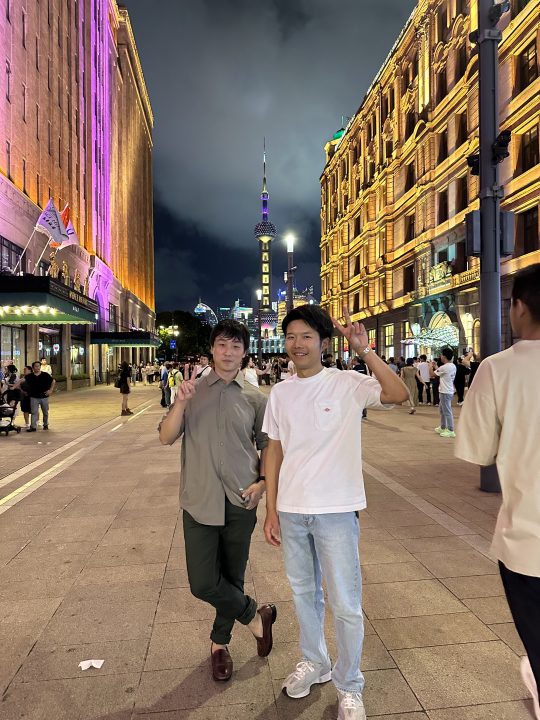
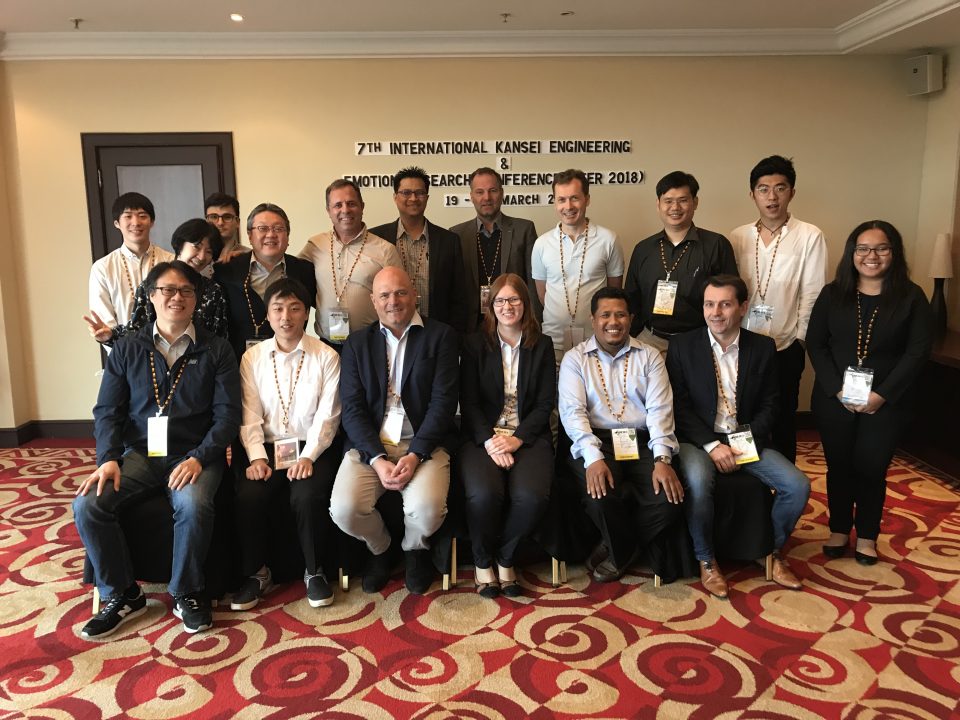
Joon Hwang posing in front of an EV in Shanghai.
How long has it been since you graduated, and could you briefly describe your current work?
It has been six years since I graduated, and I am currently involved in planning and developing automotive interior components at Toyoda Gosei Co., Ltd. My work goes beyond simply considering appearance and functionality; by applying ergonomics and kansei engineering, I focus on creating experiences that make people feel comfortable and naturally want to use the product.
For example, I work on designs that emotionally engage users through vehicle illumination, as well as on armrests that fit the body comfortably when someone rests their arm on them. Through user-centered design that responds to people’s feelings and comfort, I strive to create products that make travel time more pleasant and enriching.
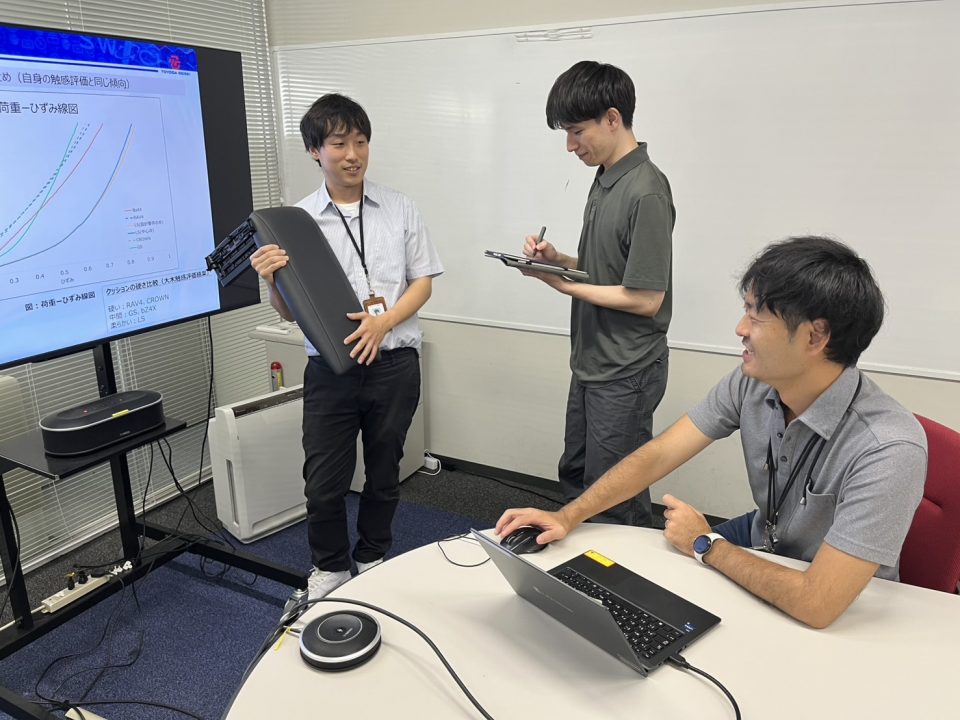
I heard that you were assigned overseas last year. Could you tell us how long you stayed, where you went, and about any new experiences or memorable moments you had there?
I spent about one year in Shanghai, China, working on automotive interior development. The EV market there has been growing rapidly, and I encountered many interior design needs closely tied to lifestyle preferences, such as seat functions that support yoga and built-in tables for dining.
Experiencing values and expectations that differ from those commonly seen in Japan greatly broadened my perspective on manufacturing and product development. Being able to work in such a cutting-edge environment and continually gain new inspiration remains a valuable experience for me even now.
Could you tell us, within the scope of what you are able to share, about the industry–academia collaborative research you have conducted with the university? Also, from a company perspective, what is the significance of conducting research together with a university laboratory?
I have been involved in the development of lighting that considers human comfort and emotional experience. As part of that work, we have conducted collaborative research with the university on the psychological and physiological effects of different lighting methods.
By incorporating academic knowledge and research findings, we can make proposals that scientifically support the emotional and sensory effects of lighting, leading to more convincing and persuasive product development.
What kind of research did you work on while you were a student at Meijo University?
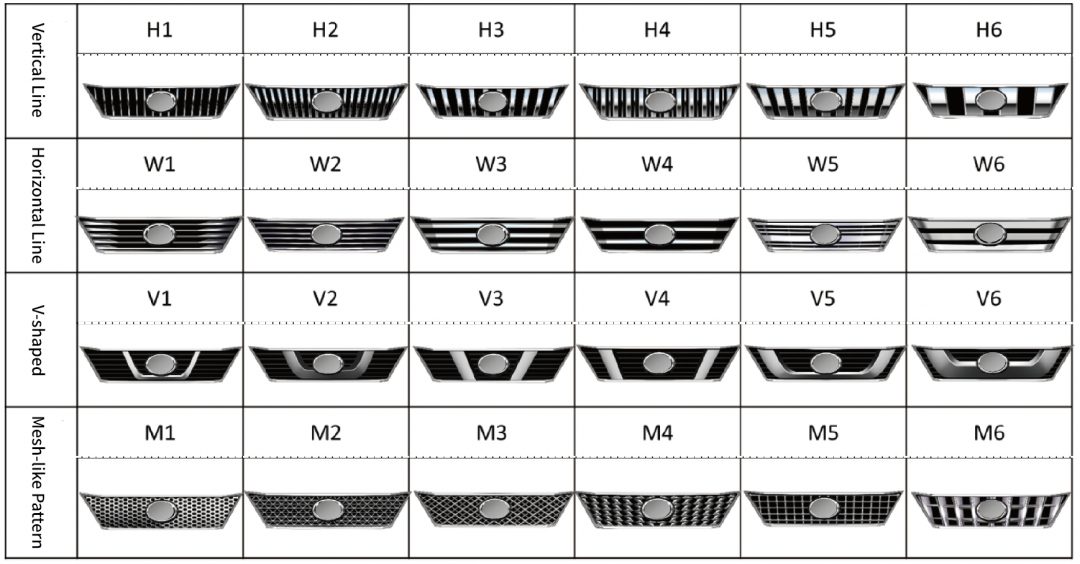
During my university years, I collaborated with automobile manufacturers on research conducted in Thailand, the largest automobile-producing country in ASEAN, analyzing the relationship between users’ impressions of SUV front grilles and their design elements.
Using 3DCG models, I investigated how emotional descriptors such as “specialness” and “luxury” relate to design forms, comparing responses between Japanese and Thai participants. Through this work, I pursued a kansei engineering approach that accounted for cultural differences.
What memories or experiences from your student life have left the strongest impression on you?
The experience that left the greatest impression on me was giving a presentation in English at an international conference during my university years. Since I was not confident in my English skills, I worked hard to overcome that weakness by attending seminars at other universities and using the university’s English conversation room.
The moment I successfully completed my presentation after all that effort was truly exhilarating. It was a moment when I could genuinely feel my own growth and achievement.
Looking back, what do you wish you had done more of during your student years?
The experience of setting my own research goals during my student years, deepening my research, and ultimately presenting the results at academic conferences has directly connected to the work I do today. The ability to identify the essence of a problem within a limited time, organize ideas with a clear sense of purpose, and communicate them in a way that resonates with others has been extremely useful in proposals and presentations both inside and outside the company. Being able to turn ideas into practice and demonstrate results has become one of my greatest assets.
At the same time, I do wish I had participated in more hackathons and ideathons as a student. In my current work, I am expected to develop products by anticipating future needs, but generating ideas flexibly does not come naturally to me, and I often struggle with idea creation. Looking back, I feel I should have exposed myself to more diverse values and ways of thinking during my student years in order to strengthen my creativity and ideation skills.
How do you usually spend your days off? Do you have any hobbies or anything you have been particularly interested in lately?
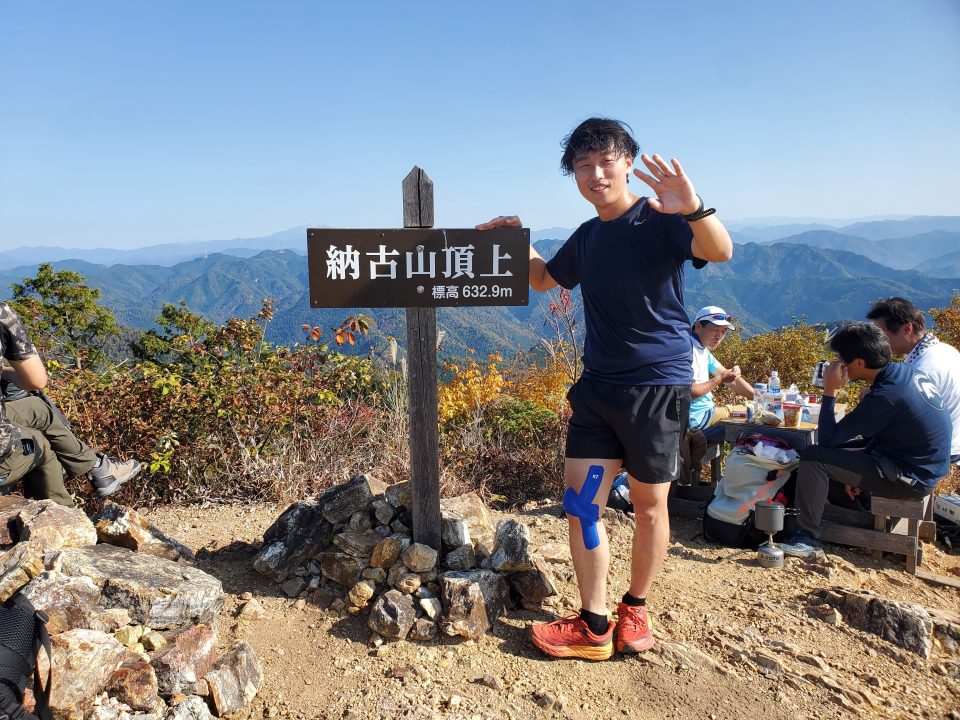
Recently, I have become really into a slightly wild hobby — running through mountains. In other words, trail running (laughs). Sometimes I run mountain courses that are over 30 kilometers long, and while I occasionally find myself wondering, “Is this some kind of ascetic training?”, I still enjoy the thrill and sense of accomplishment that come from these near-life-or-death runs. And the beer after crossing the finish line is absolutely the best (laughs).
What are your future dreams or goals?
My dream for the future is to create and introduce automotive interior products that resonate with users worldwide. By responding to the diverse needs that vary across countries and cultures, I want to create new experiential value through sharp insight and original ideas, and develop interior components that truly move people emotionally. With kansei — human sensibility and emotional experience — as the foundation, I aim to create products that establish a strong presence in the global market.
Finally, could you share a message for current students and future students?
To shape a future that has no single correct answer, you must confront your own sensibilities and not be afraid to take on challenges. Failures and detours can all become strengths in the end. That is why I hope you will hold tightly — even stubbornly — to the things you love and the things that spark your curiosity, and keep moving forward. The path only appears to those who keep running.
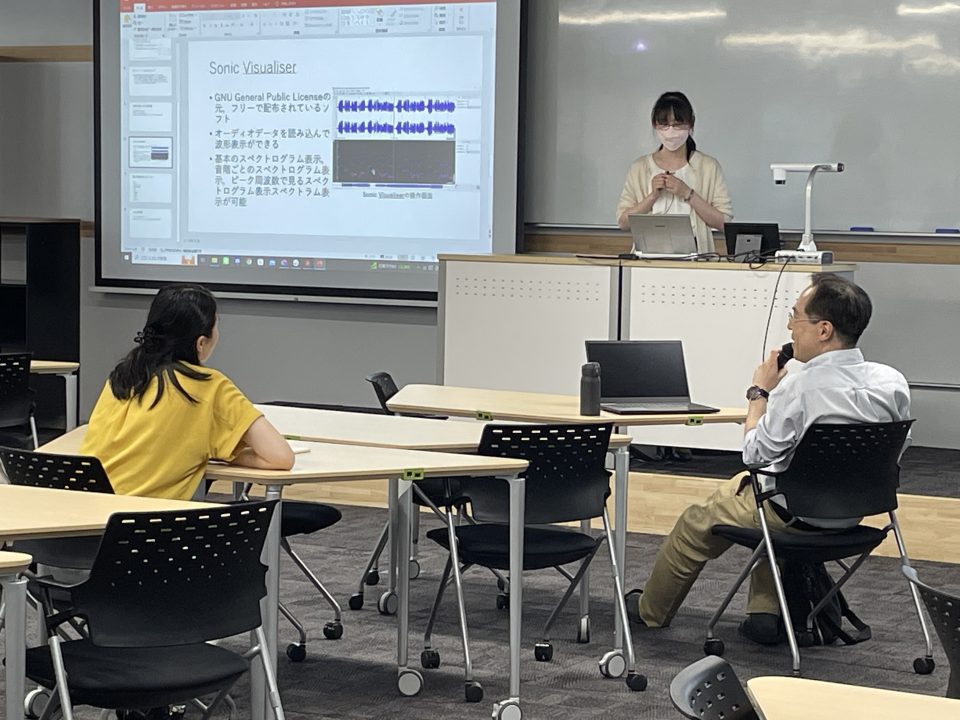
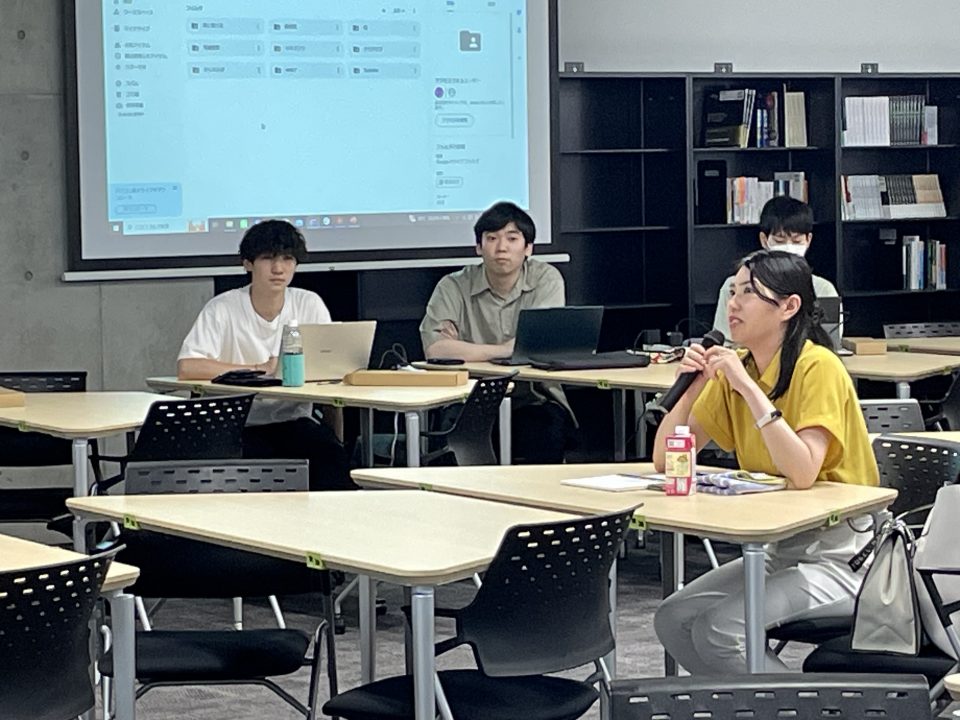
 I initially chose to study in the Department of Information Engineering with the simple thought that “studying IT might make finding a job easier.” To be honest, when I first enrolled, I found all the lectures quite difficult. Looking back now, I’m grateful for the opportunity to learn, but I struggled with lectures that involved writing programs as homework.
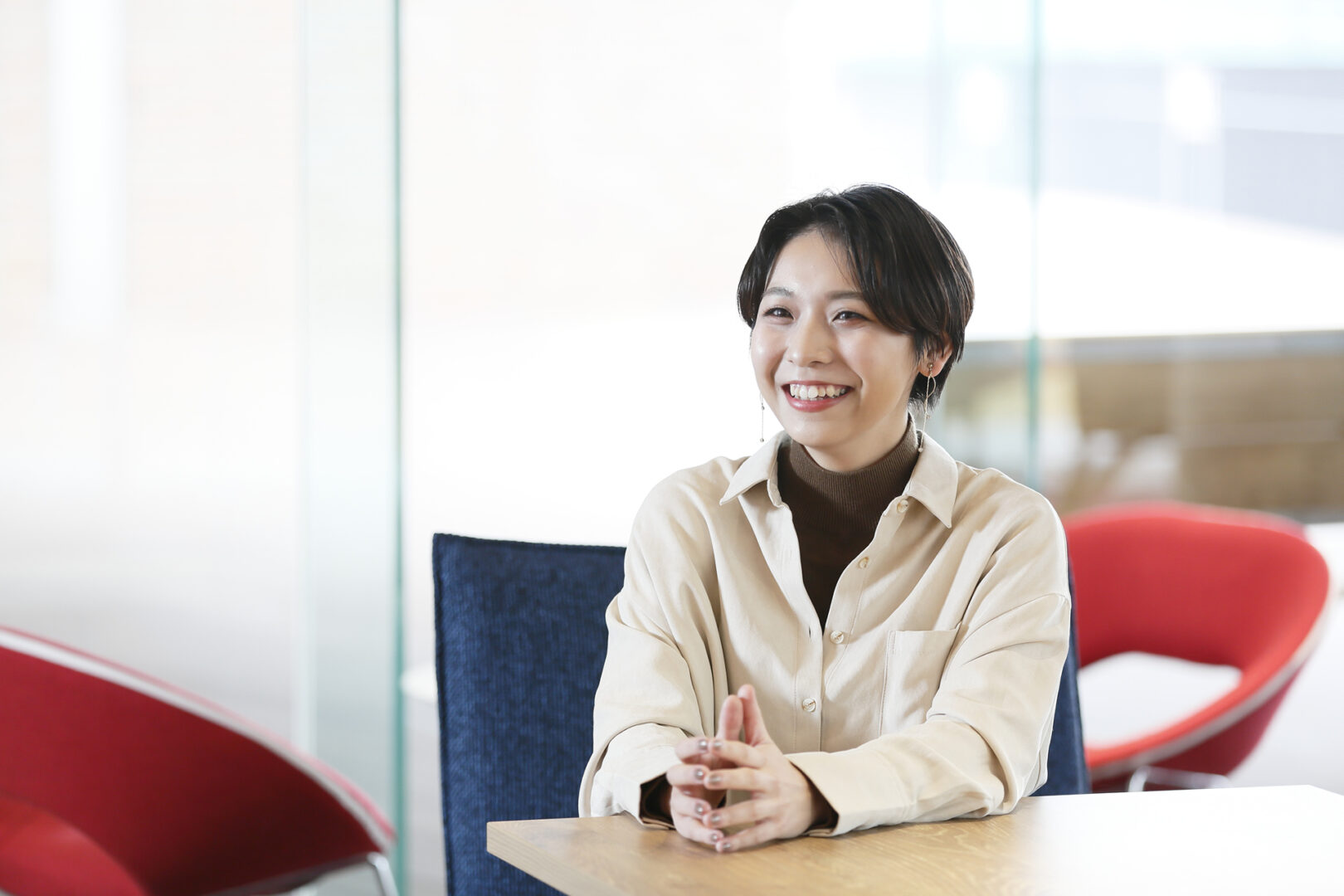 Currently, as a system engineer at NTT Data Tokai, I’m responsible for the development, maintenance, and operation of systems for financial institutions. Ibuild systems from scratch based on customer requests and maintain, operate, and improve the core systems that have been used for decades. Now, in my third year, I finally feel like I’ve reached the starting point as an engineer. While I learned the basics of programming at university, I did not know about finance, so my first and second years at the company were filled with daily learning.
 NTT Data Tokai started as a company in the communications sector. Communication, by its nature, plays a role in connecting and mediating various things based on information. Perhaps due to the nature of the business, I’ve noticed that many people in the company’s departments are skilled at adapting to customer needs and acting as mediators. I’ve always been the type of person who connects with others, so I think I naturally fit in well with the company.
 I’ve loved games for as long as I can remember, and by the time I graduated from junior high school, I knew I wanted to work in game development. I thought that if I could learn how to program, I could get involved in game creation, so I started teaching myself how to program by searching the internet. Naturally, I chose the Department of Information Engineering, where I could study programming, for my further education.
 Currently, as a game programmer at Ateam, I am involved in the operation of smartphone games and the development of new features. The game I am currently responsible for is a long-standing title with many loyal fans. When a game planner suggests, “We’d like to add this feature,” I first check whether it’s feasible within the specifications of smartphones, then handle the actual programming and evaluate whether the feature functions without any issues.
 Programmers need to keep learning in order to grow. I am always mindful of how I can improve the speed and efficiency of my programming. Since many programmers work on a single game, I also make an effort to write code that is easy for others to understand, not just for myself.
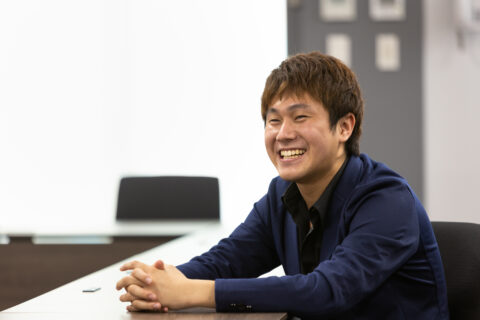 Before entering university, my experience with computers was limited to what I learned in “information” classes. So why did I choose to study information engineering? It all started when I watched a TV drama set in an IT company and thought, “It would be so cool to be able to program.” Additionally, at the time, I hadn’t yet found a specific career path, and as I was contemplating my future, I realized that “information technology is needed in every field, and programming will become increasingly important.” That became a major reason for my decision.
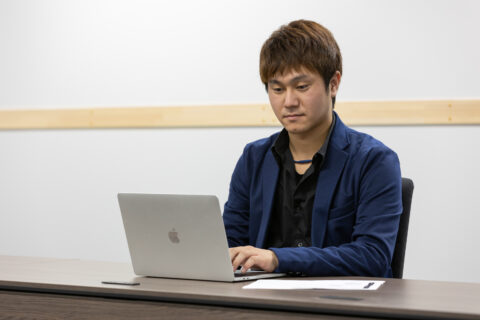 I decided to join IBM Japan because the lecturer at a study group I attended at the end of my second year was an employee there, and I thought the company was doing interesting work. During the summer vacation of my third year, I participated in an internship and became even more interested as I listened to the stories of many employees.
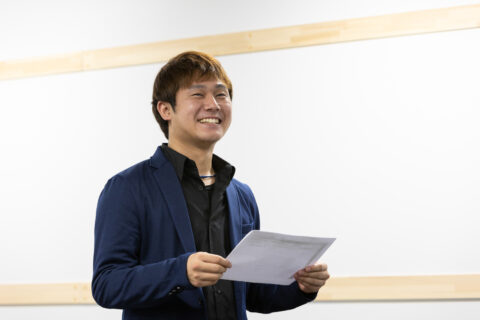 My future goal is to become an engineer who can influence not only the people I meet through my work but also those around them. During my university years, I started a community through a challenge support program, where we shared knowledge about IBM Japan’s services. Through this activity, I learned about “DevRel” (Developer Relations), a marketing method aimed at spreading a company’s technologies and services to developers.